

FIP in cats: Symptoms, treatment and prevention – How to help your cat fight one of the most dangerous viral diseases.
If your feline friend suddenly starts eating less, becomes withdrawn or just seems a little off, you might assume it’s a minor infection or stress. But sometimes there’s more to it than that, with your visit to the vet bringing a frightening diagnosis: FIP. For a long time, Feline infectious peritonitis was considered incurable.
In this blog post, you’ll learn exactly what causes this viral disease, how to recognise the early signs, what treatment options are available today and how you can best protect your cat.
FIP: What causes the disease in cats?
FIP stands for “Feline Infectious Peritonitis” – a serious viral disease that mainly affects young or weakened cats. It is caused by a mutation of the Feline Coronavirus (FCoV), which is common in many cats and usually harmless. When the virus mutates, however, it can lead to a dangerous inflammatory reaction in the body.
What is FIP and how does it develop
This mutated variant triggers a misdirected response in your cat’s immune system, which can have potentially life-threatening consequences. The disease targets internal organs, progresses slowly and often remains undetected for a long time. In this blog post, you’ll learn how disease develops, which cats are most at risk and why early detection is so important.
❗ Erste Anzeichen von FIP erkennen:
• Recognise the frist signs of FIP
• Loss of appetite and weight loss
• Listlessness, withdrawal
• Swollen abdomen (typical of wet FIP)
• Neurological symptoms such as tremors or walking disorders (in dry FIP)
Tip: If you notice two or more of these signs, be sure to visit a veterinarian as soon as possible
From Feline Coronavirus (FCoV) to FIP
Many cats carry Feline Coronavirus (FCoV) without ever becoming ill. In single-cat households, around half of all cats are carriers, and in multi-cat households, the number is even higher. The virus spreads via faeces, saliva or shared litter boxes. As long as the virus remains in its original form, it is harmless.
In rare cases, however, it mutates inside the cat’s body. This mutation changes the virus so significantly that it misleads the immune system and triggers a chronic inflammatory disease: FIP. Whether this dangerous mutation occurs depends on several factors, including the cat’s age, genetic predisposition, immune system and stress level.
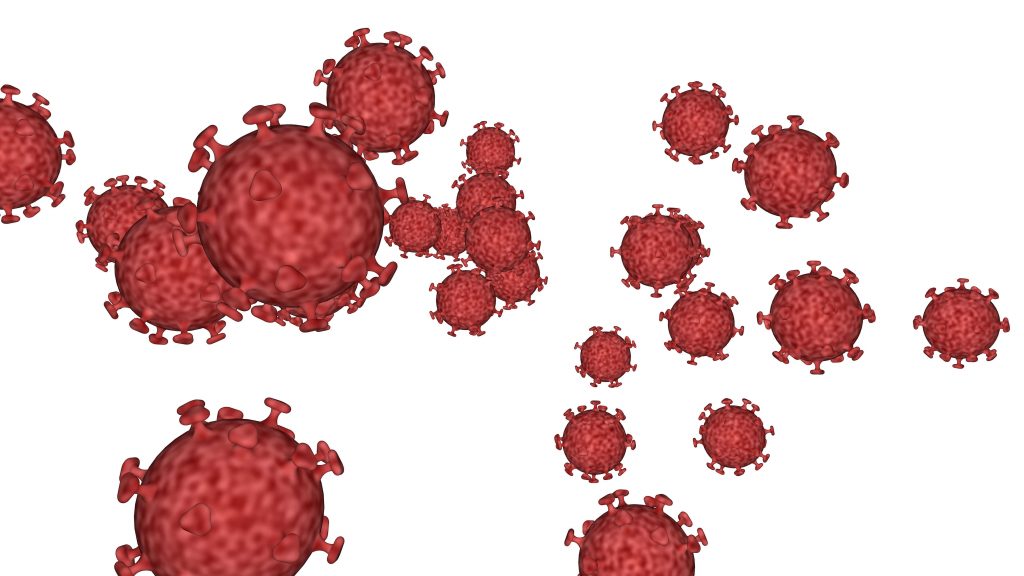
Important to remember: It’s not the original virus that causes the illness; cats only get sick from the mutated form!
Which cats are particularly at risk for FIP?
Some cats are more susceptible to FIP than others – especially young cats under two years of age, cats with weakened immune systems and cats from large groups, such as shelters, breeders and boarding facilities. Stress also plays a major role: moving house, new housemates or illness can weaken a cat’s natural defences and increase the risk.
According to some studies, there are certain breed that seem to be more frequently affected – for example, Bengals, Burmese, Burma, and Abyssinians. Still, FIP can affect any cat, even indoor cats living alone.
💡 Note – Risk factors for FIP:
• Young age (under 2 years)
• Many cats in the household
• Weakened immune system (e.g., due to previous illnesses)
• Stress (changes in environment, new animal companions, stays at the vet)
• Genetic predisposition (e.g., in certain breeds)
In the next section, you’ll learn how FIP is diagnosed, what symptoms may appear and why a quick response is so crucial. To ensure you’re fully informed, we also give you an overview of treatment options and what you can do for your cat:
Diagnosing FIP: Symptoms and types of FIP
It’s often difficult to reliably diagnose FIP, because its symptoms are similar to those of many other diseases. A single rapid test is usually not enough. Instead, a combination of indicators is crucial: blood values, ultrasound, clinical observations and sometimes specialised tests such as PCR diagnostics. It’s important to always be vigilant, especially because the early signs are so nonspecific. The sooner FIP is suspected and investigated, the better the chances for successful treatment
Can FIP be diagnosed with certainty?
The diagnosis is made step by step. Common indicators include:
• Changes in blood values (e.g., low albumin/globulin ratio)
• Abnormalities on ultrasound
• Fluid accumulation in the abdomen or chest
• PCR test to detect the mutated virus
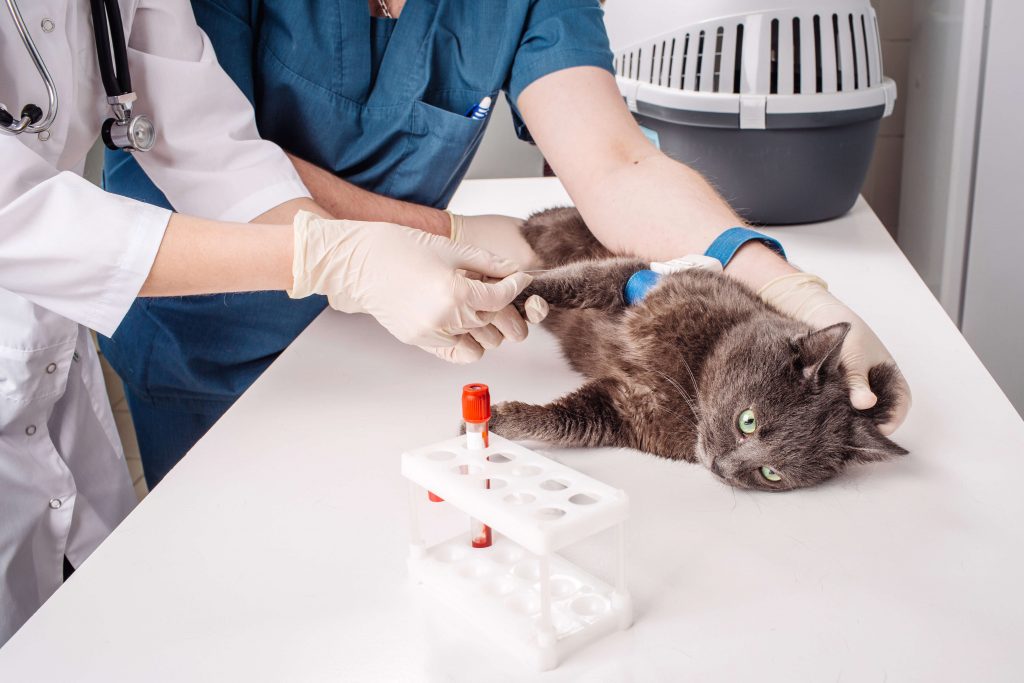
Using a procedure known as a puncture, fluid can be taken from the abdominal cavity and analysed in the lab. An experienced veterinarian will often be able to recognise typical patterns, which is why special expertise is important here.
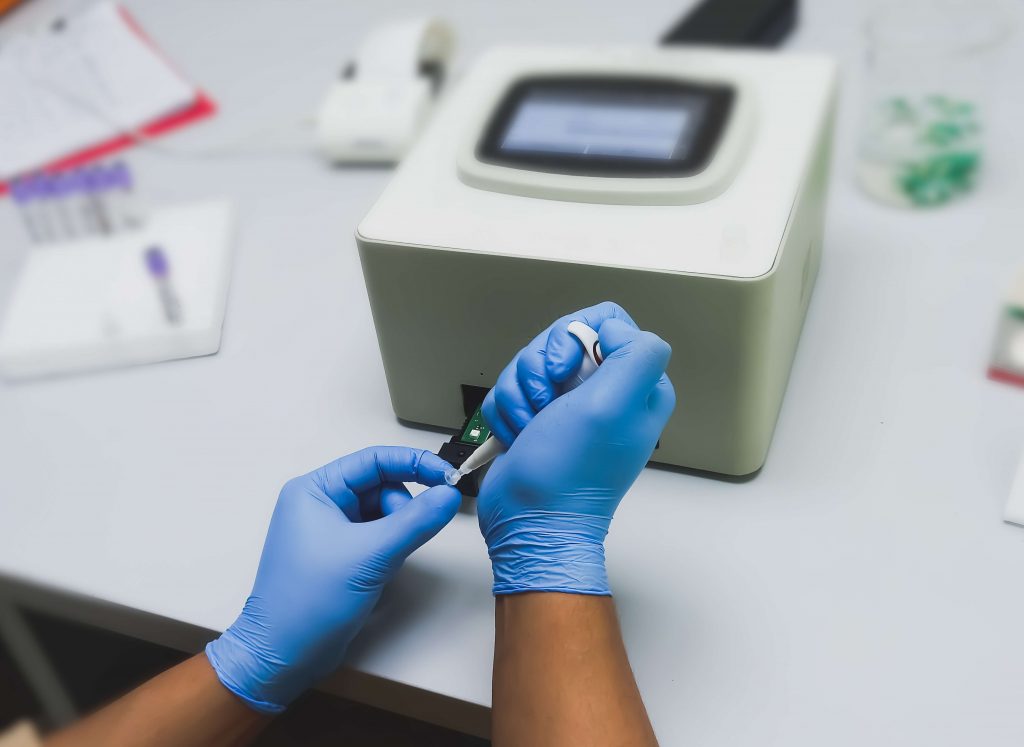
ℹ: PCR test (Polymerase Chain Reaction)
A highly sensitive lab test that can detect even tiny amounts of viral genetic material. It is particularly helpful when FIP is suspected.
What are the symptoms of FIP?
FIP often begins gradually, with symptoms that can also occur in other illnesses, such as fatigue, loss of appetite and a fever that doesn’t respond to antibiotics. Depending on the course of the disease, there are two main forms: dry FIP and wet FIP. Each progresses differently, which makes diagnosis difficult.
This is why it’s important that you recognise the typical warning signs as early as possible. The sooner you identify them, the faster you’ll be able to react and help your cat.
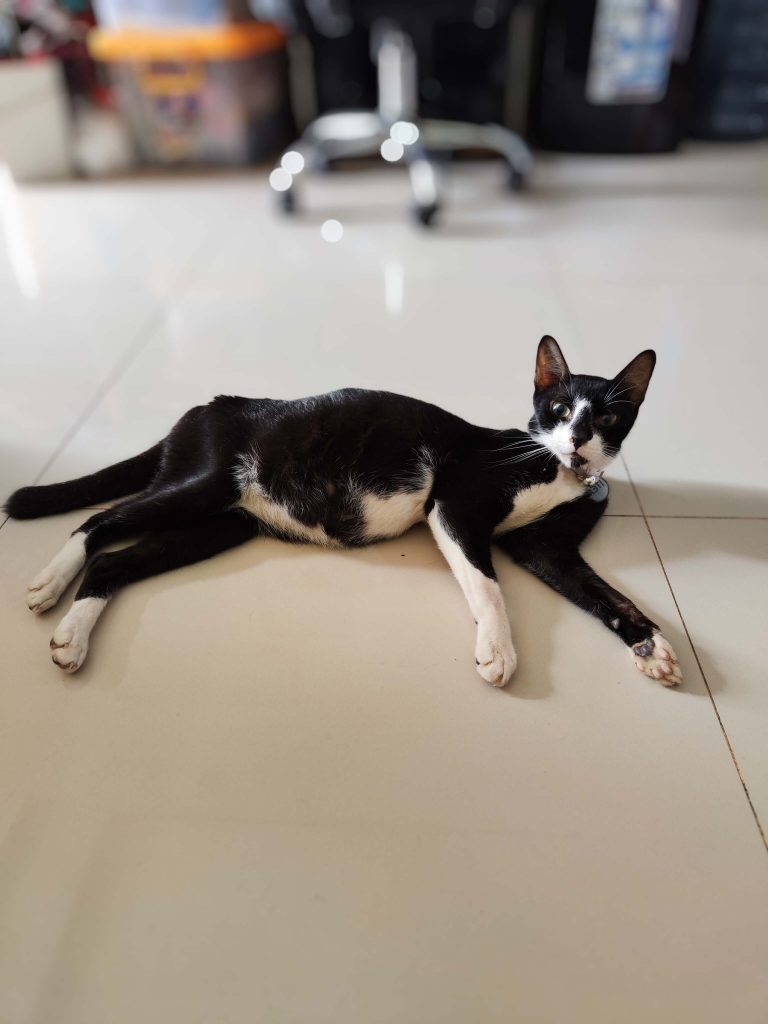
❗ Warning signs – When to see a veterinarian immediately?
• Fever lasting several days with no apparent cause
• Loss of appetite and sudden weight loss
• Swollen abdomen despite weight loss
• Shortness of breath or unusually hoarse breathing
• Walking difficulties, tremors or seizures
• Cloudy eyes or vision problems
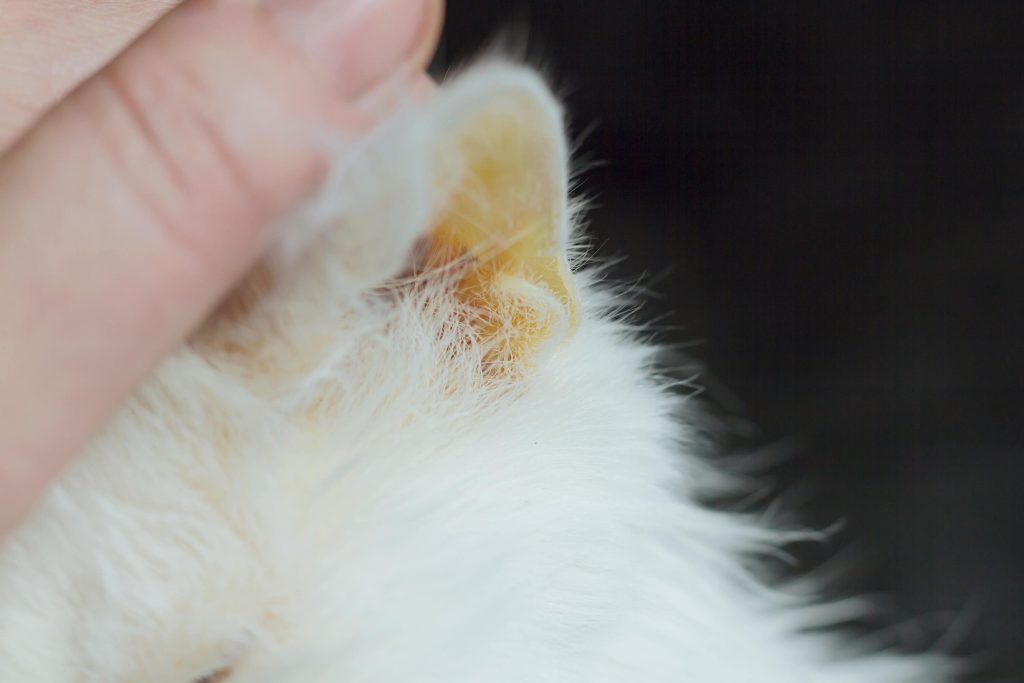
• Yellowish gums or the whites of the eyes (a sign of jaundice)
Note: The earlier FIP is detected, the better the chances of recovery!
Dry form of FI
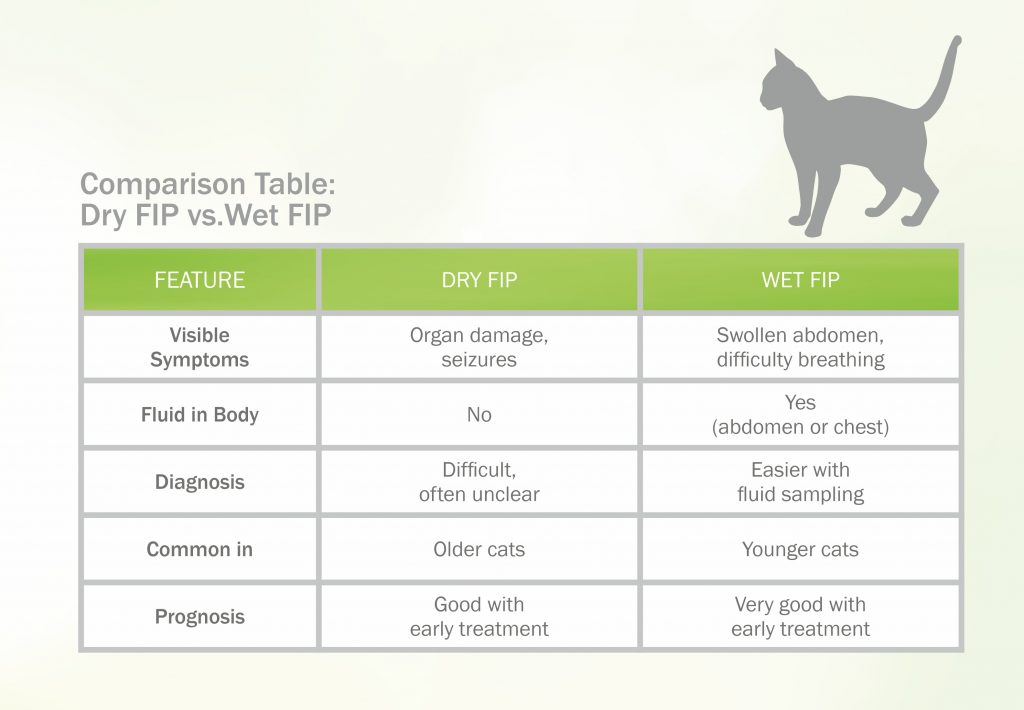
This form of FIP is particularly treacherous: it develops slowly and often goes undetected for a long time. Instead of fluid in the abdomen, the cat shows neurological symptoms, eye changes or organ problems. Typical signs include seizures, unsteady gait, jaundice and dilated pupils. Older cats are more commonly affected, so it’s important to keep a particularly watchful eye on them.
Wet form of FIP
Wet FIP usually affects younger cats. You might notice some fluid accumulation in your cat’s abdomen or chest – a “bloated” belly or shortness of breath can be signs. The fluid is thick, straw-coloured and rich in protein – a typical feature of FIP. This form responds particularly well to treatment if started early.
Is FIP contagious?
FIP itself is not contagious – the dangerous virus only arises through a mutation in the body of the affected cat. It is not transmitted from cat to cat. The situation is different with the original Feline Coronavirus (FCoV): this virus is widespread and can be easily transmitted through faeces, saliva and contaminated surfaces (e.g., litter boxes).
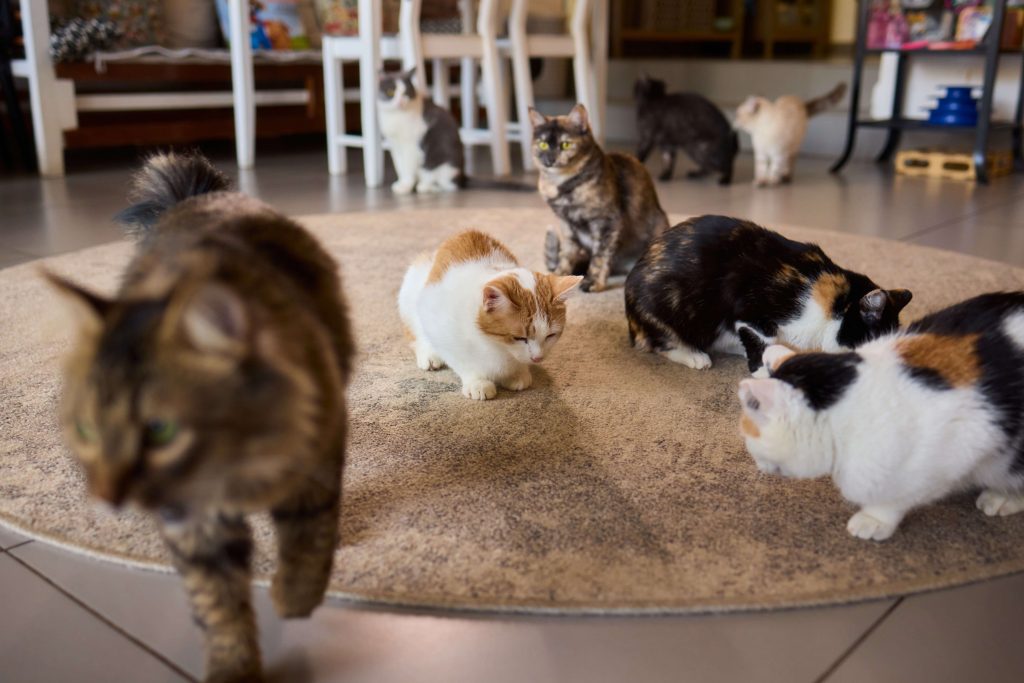
This means that even though FIP is not directly contagious, there is a certain risk in multi-cat households that other cats will become infected with the original virus – and that it could also mutate in them.
Can FIP be transmitted to humans
No, FIP affects only cats. The virus that causes FIP belongs to a completely different group than the coronavirus that can cause COVID-19 in humans. Other pets such as dogs, rabbits, or guinea pigs are also not at risk. So you can safely pet and care for your sick cat without worry.
Is FIP contagious to other cats?
Not directly – but there is an indirect risk. The original Feline Coronavirus (FCoV), from which FIP can develop, is contagious and usually transmitted via faeces. Practicing good hygiene and minimising stress are thus particularly important in preventing the spread of the disease.
🐈 How to protect other cats in your household:
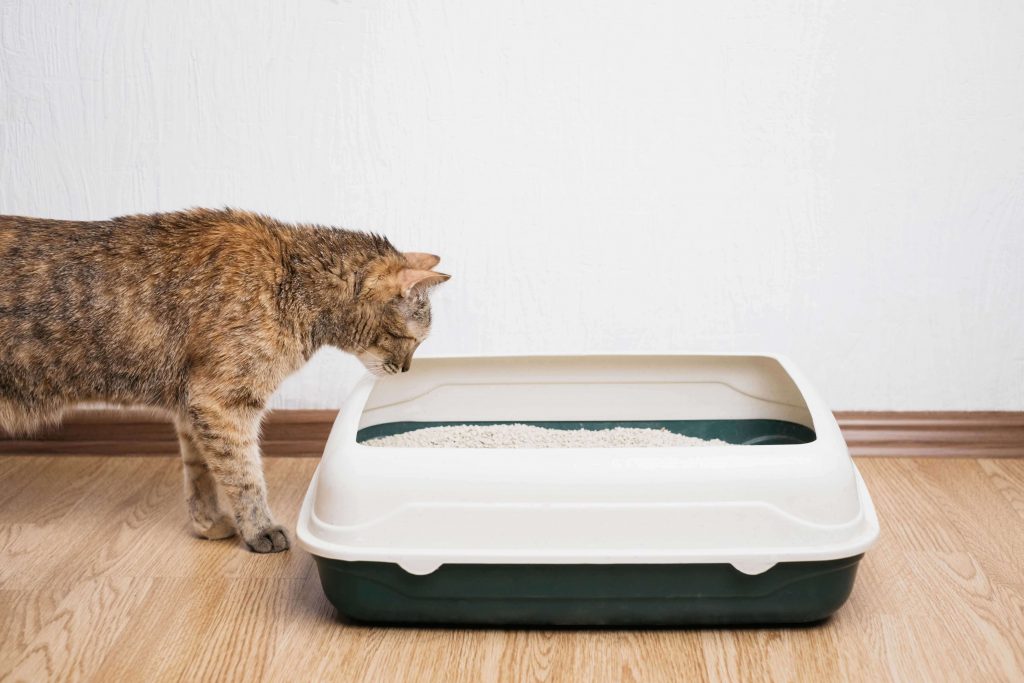
• Clean and disinfect litter boxes daily
• Regularly wash bowls, blankets and sleeping areas
• Introduce new cats only after a quarantine period
• Reduce stress in everyday life (e.g., by creating safe areas and hiding spots)
• Spread litter boxes and feeding stations across several rooms
How can FIP be treated?
In the past, an FIP diagnosis was often a death sentence. But now there’s hope: thanks to modern antiviral drugs like GS-441524, many cats can now be treated successfully. The key is to begin treatment early and have it professionally supervised.
In this section, you’ll learn how FIP treatment works, which medications are used and what you can do to support your cat during recovery.
Nutrition and care during FIP
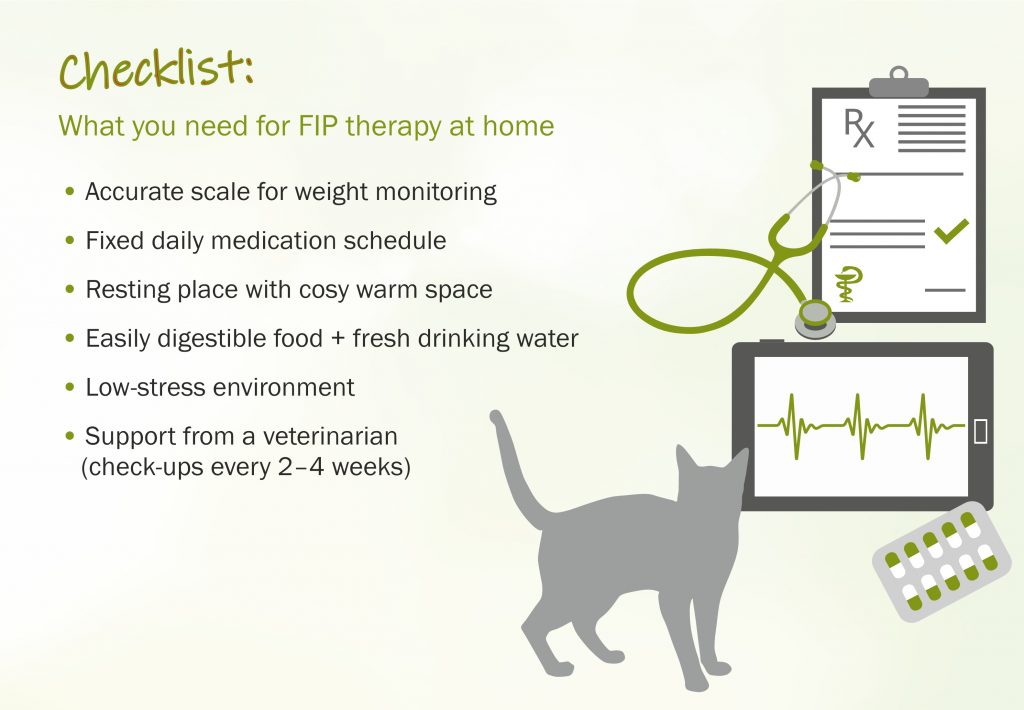
During treatment, your cat primarily needs rest, a safe refuge and high-quality food. It’s important to provide an easily digestible, nutrient-rich diet – ideally in small, frequent portions. Adequate hydration is also essential. Supplements such as vitamin B12, taurine or immune boosters can also be helpful – but only after consulting with your veterinarian. You can support the healing process by keeping everyday life as stress-free as possible: this includes providing your cat with safe hiding places, maintaining fixed routines and giving them plenty of attention.
Are there any medications for FIP
Yes – the antiviral agent GS-441524 has shown high cure rates in studies. It specifically blocks the replication of the virus. Treatment usually lasts 12 weeks and is administered orally or by injection. Please note: GS-441524 is not officially approved in Germany, but it can be obtained for off-label use through certain veterinarians.
Never treat your cat on your own! The dosage must be exactly right and checked regularly – this is the only way to ensure that the therapy is safe and effective.
ℹ GS-441524 in Germany:
• Not officially approved, but available with a prescription from international pharmacies
• Use only under veterinary supervision (off-label use
• Veterinarians experienced with FIP oversee and monitor the entire treatment process
• Importing the product yourself or using it incorrectly is risky both legally and for your cat’s health.
Here’s how GS-441524 treatment works:
- Find a veterinarian: Look specifically for a practice with experience in FIP.
- Confirm the diagnosis: FIP must be clearly identified.
- Obtain a prescription: GS-441524 is usually ordered from another EU country.
- Begin treatment: Administer treatment over a period of 12 weeks with frequent check-ups (e.g., blood tests).
Life expectancy after an FIP diagnosis
Without treatment, FIP is usually fatal within a few weeks. The good news, however, is that with the right treatment – especially with GS-441524 – the chances of survival increase significantly. Many cats are considered cured after completing treatment and can go on to lead a completely normal life. Follow-up care is important: your cat should be closely monitored during the first twelve weeks after treatment. Relapses are rare but not impossible. The earlier treatment begins, the better the chances of recovery.
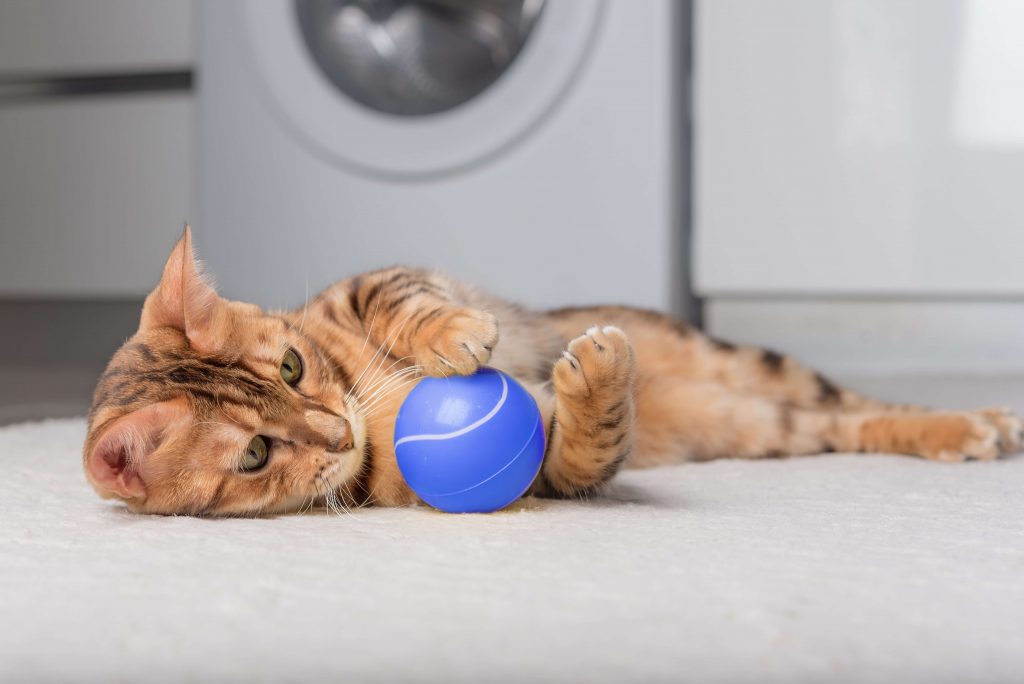
📖 Success story: Felix survived FIP
Felix, a young Bengal cat, suddenly developed a high fever, barely ate and had a noticeably swollen belly. The diagnosis: wet FIP. Fortunately, it was detected early and treatment with GS-441524 began immediately. After 12 weeks, Felix was healthy, active and full of life again. Today, you’d never know he’d ever been sick.
Felix’s story shows that FIP no longer has to be a death sentence – if you act quickly.
Costs of FIP treatment
Treatment with GS-441524 is effective – but not cheap. The cost depends on the cat’s weight, the form of FIP, and the price of the medication. An example:
• A cat weighing 3 kg needs approx. 17 vials of GS-441524
• Price per vial: approx. €42
• Total cost of the medication: approx. €714
• Additional costs: blood tests, liver protection, vitamins, etc.
Total cost: usually between €1,500 and €3,000
How to protect your cat from FIP
FIP itself is not directly transmissible – but you can still do a lot you to reduce the risk. For example, the stronger your cat’s immune system, the less likely the coronavirus will mutate in their body and trigger FIP.
A healthy daily routine that includes good hygiene, plenty of rest and minimal stress helps your cat stay healthy – and better defend itself against viruses.
Should I vaccinate my cat against FIP?
Vaccination against FIP is not recommended by expert panels. It is only reliably effective if the cat has never been exposed to Feline Coronavirus (FCoV) – and many cats encounter the virus at an early age. This is why experts generally recommend targeted prevention rather than vaccination.
Protection against FIP: Additional preventive measure
• Cleanliness: Clean litter boxes daily, wash bowls regularly, keep sleeping areas clean
• Avoid stress: Create safe and quiet places, slowly acclimatise new cats (quarantine)
• Strengthen your cat’s immune system: high-quality food, plenty of rest, no abrupt changes in food, veterinary check-ups

Prevention check: What you can do
✔ Clean environment
✔ Structured group housing
✔ Strong immune system through a healthy lifestyle
💡 Important: FIP cannot be prevented 100% – but you can significantly reduce the risk. Hygiene, rest and a strong immune system are the best protective measures.
Conclusion: Understanding, preventing and treating FIP
FIP is a serious diagnosis, but it is no longer hopeless. Thanks to modern therapies such as GS-441524, many cats have a good chance of recovery – provided the disease is detected early and treated professionally.
By observing your cat closely, seeking veterinary advice at the first signs of symptoms, and ensuring good hygiene, rest and a strong immune system, you can do a lot to protect your furry friend.
Knowledge is the best protection—and your vigilance can save lives
Important note:
This article is for informational purposes only and does not replace a visit to your vet. If your cat shows symptoms, it’s important that you visit a veterinary practice. Only there can a sound diagnosis be made and appropriate treatment initiated.
The treatment of FIP with GS-441524 is not currently officially approved in Germany. It is only possible under certain conditions in what is known as off-label use – and may only be carried out in close consultation with experienced veterinarians. Use at your own risk
References (listed in order of mention in the blog post – Last updated: May 2025):
- Kipar A & Meli ML (2014): Feline infectious peritonitis: still an enigma? Veterinary Pathology. DOI: 10.1177/0300985814522077
- Addie DD et al. (2020): Feline coronavirus infection: ABCD guidelines. Journal of Feline Medicine and Surgery. DOI: 10.1177/1098612X19895940
- ABCD (2022): Vaccine Recommendations for Cats – FCoV/FIP. Advisory Board on Cat Diseases (ABCD). Accessed 30 April 2025: https://www.abcdcatsvets.org/wp-content/uploads/2022/11/TOOL_Vaccine-recommendations_Feb_2020_EN.pdf
- Pedersen NC (2019): The treatment of feline infectious peritonitis with GS-441524. Journal of Feline Medicine and Surgery. DOI: 10.1177/1098612X19825701
- Gemeinsam gegen FIP e. V.: Kosten einer FIP-Behandlung (in German). Accessed 30 April 2025: https://gemeinsamgegenfip.jimdofree.com/kosten/
Frequently asked questions about FIP in cats
FIP stands for “feline infectious peritonitis.” It is an inflammatory disease caused by a mutation of the feline coronavirus (FCoV). The disease often affects the peritoneum, organs or nervous system and is usually fatal if left untreated. There are two forms: wet FIP (with fluid accumulation) and dry FIP (with organ or nerve damage). Mixed forms are also possible.
Cats can become infected with feline coronavirus (FCoV) through contact with the faeces, saliva or shared surfaces of infected cats. FCoV is therefore widespread, especially in multi-cat households. The infection is usually harmless. Only when the virus mutates in the body of an infected cat can it lead to FIP (feline infectious peritonitis). However, this mutated form is not contagious
No. FIP only affects cats. The virus that causes it belongs to a different group than the coronavirus that infects humans. Other household pets, such as dogs or rabbits, cannot catch it either. You can safely pet and care for your cat, even if it has FIP.
No. FIP is caused by a specific feline coronavirus (FCoV) that only affects cats. Dogs are not at risk, nor are other animals or humans.
The disease itself is not contagious, but the original coronavirus (FCoV) is. It is usually spread through faeces. In rare cases, the virus can mutate inside another cat’s body and trigger FIP there. Good hygiene and minimising stress are important protective measures in multi-cat households.
Without treatment, FIP is almost always fatal within a few weeks. However, with early diagnosis and properly managed therapy – such as treatment with GS-441524 – many cats can make a full recovery and return to normal, healthy lives. Following the completion of therapy, a monitoring period of roughly 12 weeks is recommended to detect any potential relapse at an early stage.
The wet form leads to fluid accumulation in the abdomen or chest cavity, often causing breathing difficulties or a swollen belly. The dry form is characterised by inflammatory lesions in organs, the eyes or the nervous system, with symptoms such as seizures, vision problems and difficulty walking. Many cases are mixed or change from one form to the other over time.
Yes, recovery is possible – especially thanks to the antiviral drug GS-441524, which has shown success rates of over 80% of cats. The key requirements are early diagnosis, precisely dosed treatment over a 12-week period and veterinary supervision. Self-medication can jeopardise the chances of success and should be avoided.
FIP cannot be completely prevented, but you can significantly reduce the risk:
• Maintain good hygiene in your home
• Clean litter boxes
• Provide calm spaces, safe retreats and minimise stress
• Offer high-quality food and schedule regular visits to the vet These measures help strengthen your cat’s immune system, which is the best protection against FIP.
During treatment, you should feed your cat food that is easy to digest and high in protein. Give them many small meals to help with digestion. Also make sure your cat has plenty of water, rest and high-quality nutrients. Supplements like vitamin B12 or taurine can help, but always check with your veterinarian first.
It can take weeks or even months for an FCoV infection to turn into FIP – or it may never happen at all. Indeed, some cats remain symptom-free for life. However, if the virus does mutate, the first signs of FIP – which can include such things as fever or loss of appetite – usually appear within a few days. This is why early detection is so important.
Yes, studies have shown that some breeds are more commonly affected – such as Bengals, Abyssinians, Birman cats, Ragdolls and Himalayans. Cats from breeding lines with low genetic diversity or those experiencing severe stress are also considered particularly susceptible. However, FIP can affect any cat, regardless of breed or living conditions.
There is a FIP vaccine, but it is not generally recommended. It only works in cats that have never been exposed to the Feline Coronavirus (FCoV) – which is rare. Instead, experts recommend focussing on hygiene, stress reduction and strengthening the immune system. These are the most important and effective preventive measures.
The most effective method currently available is antiviral therapy with GS-441524 over a period of 12 weeks. It must be precisely dosed and supervised by a veterinarian. The other things that can help are a high-quality diet, rest, regular blood tests and, if necessary, additional supplements. Trying to treat your cat yourself or stopping therapy can make recovery less likely.
Immediately – especially if your cat has a fever, loss of appetite, a swollen belly or neurological abnormalities. Early diagnosis can be crucial. Especially with young or older cats, don’t wait if you notice any unusual signs.
FIP is a form of peritonitis. As the name suggests, peritonitis means inflammation of the peritoneum, the abdominal lining. In the wet form, it mainly causes inflammation and fluid buildup in the abdomen. In the dry form, organs, nerves and eyes are usually affected.