
Has your cat suddenly started urinating everywhere? Or maybe you’ve noticed blood in their urine? Find out how to recognise the signs of a bladder infection in cats – including common causes, treatment options and helpful tips for prevention.
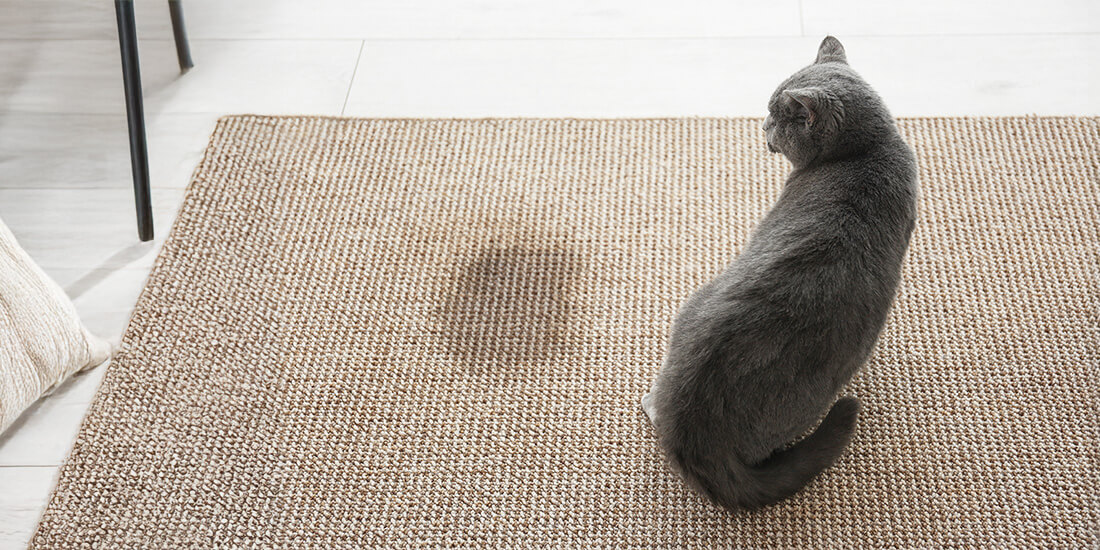
Minka the cat suddenly stopped using her litter box. Instead, she urinated on the carpet right in front of her owner, who immediately sensed that something was wrong. Why was Minka behaving like this? The answer was a bladder infection, a condition that can quickly turn a cat’s life upside down. Typical warning signs include pain when urinating, a constant urge to pee and blood in the urine. The types of cats most commonly affected are indoor cats, overweight cats, stress-prone cats (such as young or anxious cats) and male cats with narrow urethras. The good news is that when caught early, bladder infections can usually be treated effectively. In this article, we’ll show you how to recognise a bladder infection in your cat. We’ll also explain the possible causes and share practical tips for prevention.
Bladder infections in cats – explained in simple terms
Bladder infections are among the most common diseases of the urinary system in cats. In medical terms, they’re referred to as cystitis. This term is used to describe an inflammation of the urinary bladder that can be triggered by several factors, including bacterial infections, urinary crystals or stress. What makes bladder infections particularly treacherous is that cats often show symptoms only in the later stages. This makes early diagnosis crucial to preventing complications. In this article, we’ll provide you with everything you need to know about the causes, symptoms, diagnosis and treatment of bladder infections in cats.
What exactly is a bladder infection?
A bladder infection in cats is an inflammation of the bladder wall. It can be caused by bacteria, but it’s more commonly triggered by some kind of irritation, such as urinary crystals or psychological stress. A particularly common form of bladder infection is so-called “idiopathic cystitis”, where no clear underlying cause can be found. Although the condition is painful, in many cases it can be brought under control with timely and appropriate treatment.
How often do cats suffer from bladder infections?
Bladder infections are relatively common in cats – especially those between 2 and 7 years old. Studies show that around 1-3% of all cats suffer from some form of urinary tract disease each year. Indoor cats and overweight felines are especially at risk. Male cats are also more vulnerable because their urethras are longer and narrower than those of female cats; this makes blockages caused by crystals and/or inflammation more likely. Stress factors – such as moving house or the introduction of new pets in the shared home – can also increase the risk of infection.
What are the symptoms of a bladder infection in cats
Cats are masters at hiding pain, which means that bladder infections will often be difficult to detect. Common signs include frequent urinating, difficulty urinating, blood in the urine or urinating outside the litter box. Increased licking in the genital area may also be an indication that your cat is experiencing irritation. Some cats become restless, meow when using the litter tray or avoid it altogether. If you notice any of these changes, it’s important to take them seriously and have your cat examined by a vet.
💡 Typical symptoms include:
• Needing to urinate often, but producing only small amounts of urine
• Experiencing pain or meowing while urinating
• Blood in the urine (haematuria)
• Incontinence (urinating outside the litter tray)
• Licking the genital area more than usual
• Avoiding the litter tray
• Appearing restless or withdrawn
Blood in your cat’s urine
Blood in your cat’s urine – medically known as haematuria – is an alarming symptom. It often indicates that their bladder wall is severely irritated, as if it were made of thin and delicate paper. Possible causes include bacterial infection, urinary crystals or idiopathic inflammation. In many cases, you’ll only notice their reddish urine when you see it outside the litter tray. If you notice blood in your cat’s urine, it’s important to take them to the vet as soon as possible to prevent serious complications.
Your cat is peeing everywhere
If a cat that’s normally house-trained suddenly starts urinating everywhere, it’s often a sign of an underlying medical issue, such as a bladder infection. Conditions like these increase your cat’s urge to urinate, while also making it painful. As a result, your cat might start avoiding their litter box, because every visit is associated with an unpleasant experience. This can lead to them leaving small puddles of urine in unusual places, such as carpets, sofas or beds. This behaviour is not a sign of defiance; it’s your cat’s way of signalling that something’s wrong and they need your help.
Your cat is grooming itself noticeably ofte
Excessive licking in the genital area is a common sign of bladder infection. Your cat is grooming itself in an attempt to relieve the itching and pain. This behaviour is particularly noticeable after they use the litter box. In some cases, your cat’s licking might be so intense that their fur becomes very thin in the affected area. Even if this behavior seems inconspicuous at first, it’s a serious warning sign, especially when accompanied by other symptoms.
Are you noticing these signs in your cat – or have you noticed them in the past?
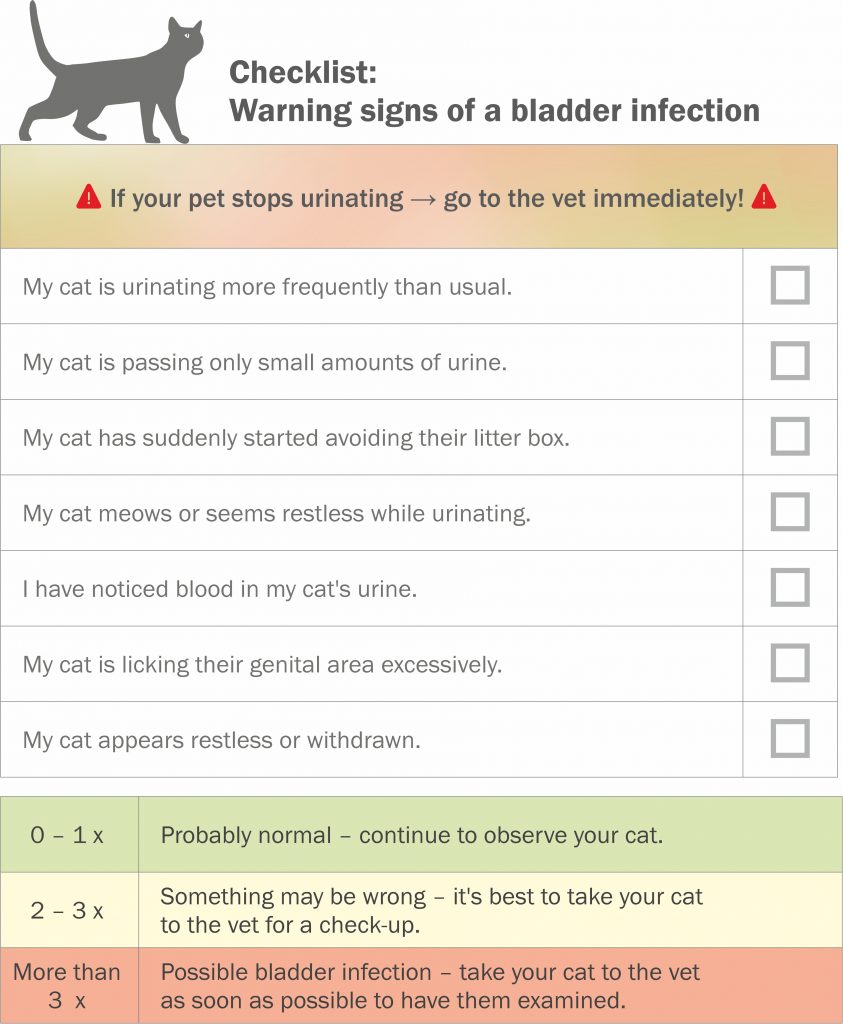
🐈 Keep a close eye on your cat – and download our checklist to help determine whether you should take action right away.
Causes of bladder infections in cats
Cats can develop bladder infections for many reasons. In addition to bacterial infections, other factors that play a major role, including urinary crystals, obesity, stress and underlying diseases. Male cats are particularly at risk, as their urethra is narrower. In many cases, the exact cause remains unclear – veterinarians refer to this as idiopathic cystitis. If you understand the potential triggers, you can support your cat in a targeted manner and reduce the risk of recurrence.
Possible triggers of bladder infections (cystitis)
• Urinary crystals or bladder stone
• Bacterial infections
• Stress (e.g., moving house, new animals, noise)
• Obesity and lack of exercise
• Poor diet (too little fluid, too much magnesium/phosphorus)
• Chronic diseases such as diabetes, FeLV or FI
• Idiopathic cystitis (FIC), where no clear cause can be identified
The immune system and chronic diseases (FeLV, FIV and diabetes
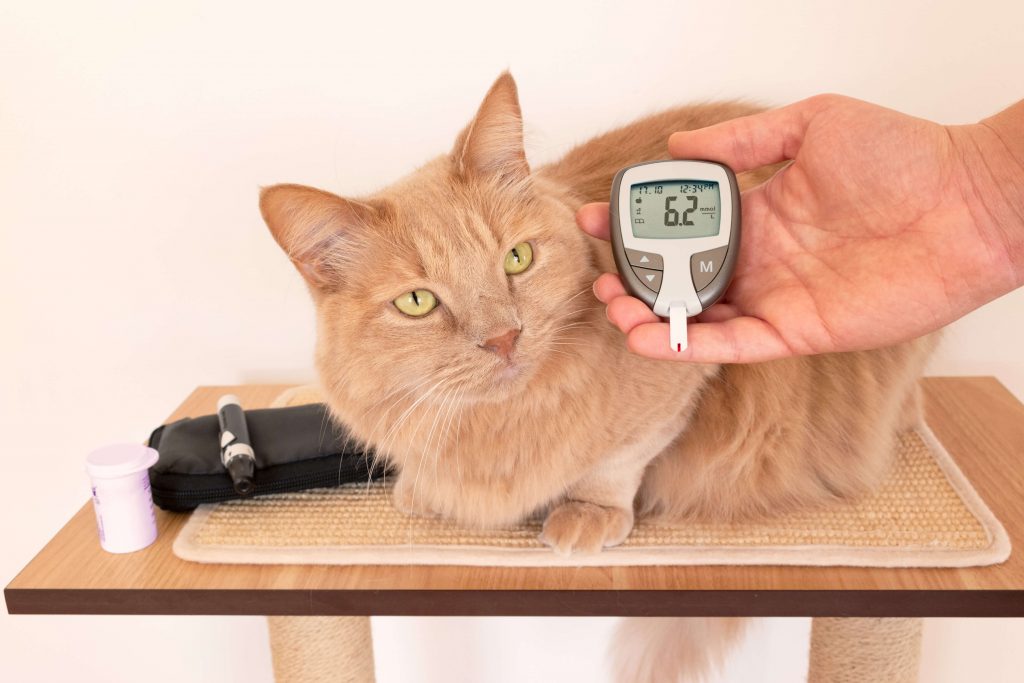
A weakened immune system makes cats more susceptible to infections. Viral diseases such as FeLV or FIV can increase the risk of bacterial urinary tract infections. Diabetes mellitus also negatively impacts the urinary tract, as elevated sugar levels in the urine create ideal conditions for bacterial growth. If your furry friend has a chronic condition, you should get your vet to check their urinary tract on a regular basis.
Urinary crystals, bladder stones and tumours
Urinary crystals form when minerals accumulate in your cat’s urine. They can irritate the bladder lining or clump together to form solid stones, which are a common cause of cystitis. Bladder stones often obstruct urine flow and cause pain. Tumours or benign polyps in the bladder can also damage the mucous membrane. These mechanical causes can usually be diagnosed by ultrasound and treated appropriately.
Excess weight, lack of exercise and diet
Excess weight and a lack of exercise can contribute to bladder problems. Urine remains in the bladder for too long, making it easier for crystals to form. An unsuitable diet – such as dry food high in magnesium or phosphorus – can also contribute to these problems. To help prevent urinary tract infections, it’s essential for your cat to maintain a healthy weight, get regular activity and drink adequate liquids.
Idiopathic cystitis
When idiopathic cystitis (FIC) is diagnosed, it means that no identifiable cause can be found. Stress is believed to play the key role here. Recurring symptoms without evidence of a bacterial infection are typical. Young and nervous indoor cats in particular are affected. While FIC cannot be cured, it can be managed effectively: stress reduction, an appropriate diet and adequate fluid intake can significantly reduce the risk of relapse.
📎 Knowledge in a nutshell: Feline idiopathic cystitis (FIC)
FIC means that no clear cause for the bladder condition can be found.
However, stress is considered a major contributing factor – especially in the case of indoor cats with sensitive personalities.
While there’s no way to completely cure the condition, it can be managed effectively by means of targeted stress reduction and an appropriate diet.
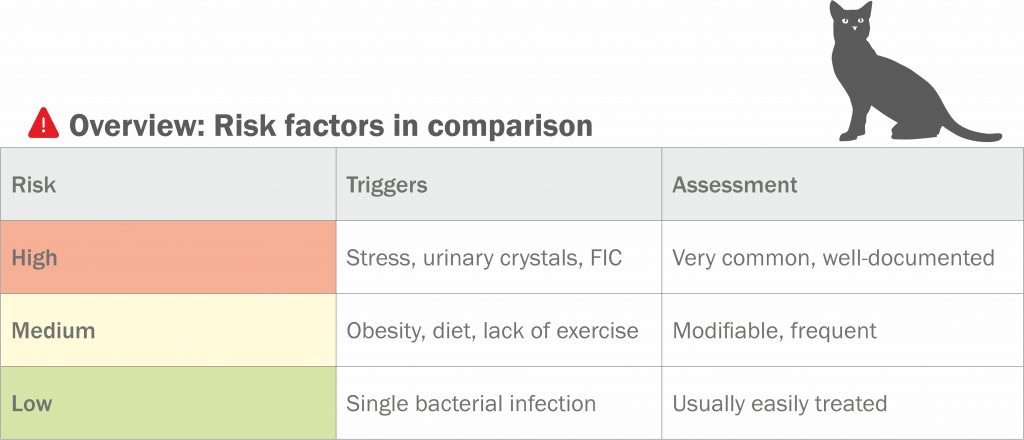
🔺 Overview: Comparison of risk factors
What types of bladder infections do cats get?
Not all bladder infections are the same. Veterinarians distinguish between several different types based on their underlying cause and progression. The most common include bacterial infections, feline idiopathic cystitis (FIC) and irritation caused by urinary crystals or stones. In rarer cases, bladder problems may be associated with tumours or polyps. An accurate diagnosis is essential because it helps you and your vet to choose the best treatment and assess the prognosis.
Bacterial bladder infections
This form is particularly common in older cats and in any cat with a weakened immune system. Bacteria enter the bladder via the urethra and cause an infection. Typical symptoms include frequent urination, pain and sometimes a fever. To make a diagnosis, your vet will take a urine sample and have it examined in the laboratory for bacteria. When caught early, treatment with the right antibiotic usually leads to rapid improvement.
Feline idiopathic cystitis (FIC)
FIC is the most common form of bladder condition in cats under ten years of age. It occurs without any apparent cause but is closely associated with stress. The symptoms resemble those of a bladder infection, even though no bacteria or other pathogens can be detected. FIC can keep coming back, which makes long-term holistic management essential. The focus here is on reducing the stress your cat experiences, feeding them special food and encouraging them to drink more water.
Bladder infection caused by urinary crystals or bladder stones
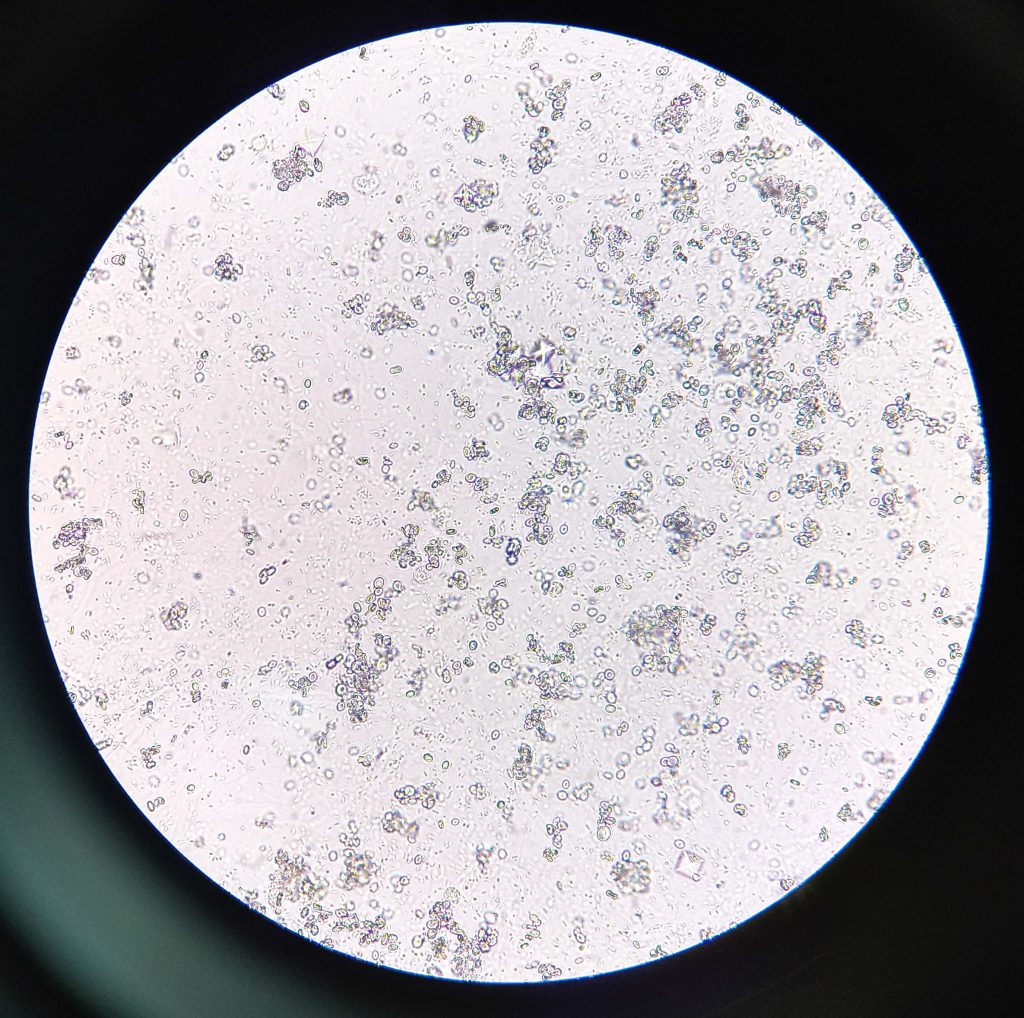
When minerals build up in a cat’s urine, crystals such as struvite or calcium oxalate can form. These crystals can irritate the bladder lining and cause inflammation. The situation becomes especially dangerous when the crystals obstruct the flow of urine, which can lead to a life-threatening blockage in cats. Veterinarians diagnose urinary crystals through a urine test or ultrasound. Treatment includes a special diet, encouraging your cat to drink plenty of fluids and, in severe cases, surgery.
Bladder inflammation caused by tumours or polyps
Less common, but a serious concern: tumours or benign polyps can develop in a cat’s bladder and cause inflammation. These growths can press on the bladder wall, irritate the tissue and cause symptoms such as blood in the urine or a constant urge to urinate. Vets use an ultrasound or a procedure known as an endoscopy to make their diagnosis. Treatment depends on the type and location of the growth and may range from drug therapy to surgical removal.
How are urinary tract infections diagnosed in cats
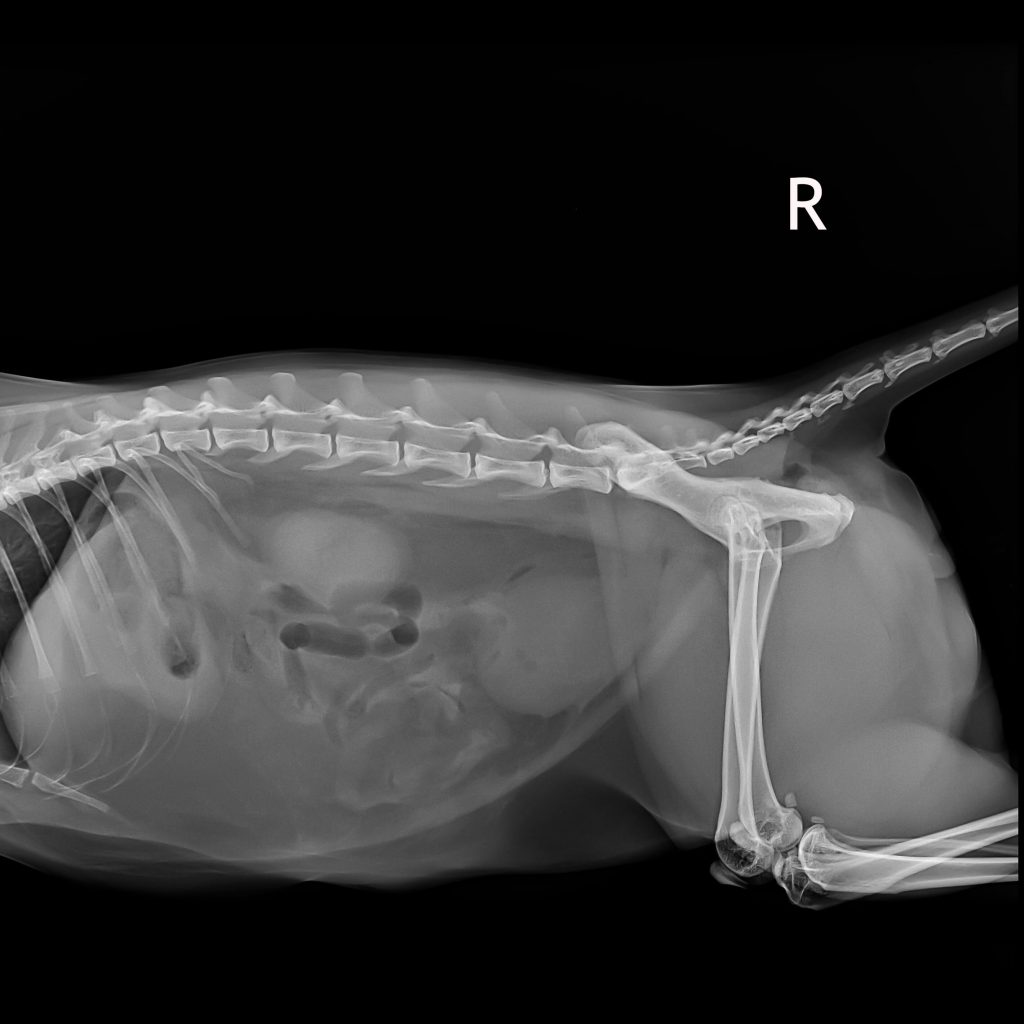
A bladder infection is diagnosed using a combination of physical examination, urine test and, if needed, imaging procedures. Your cat’s behaviour and symptoms often provide the first clues. A fresh urine sample is important to ensure a reliable diagnosis. Depending on the findings, your vet might do an ultrasound or take an X-ray if they suspect stones or a tumour. Getting an accurate diagnosis is essential for choosing the right treatment.
When should you take your cat to the vet?
If your cat suddenly starts urinating outside the litter box or if they urinate more often, experience pain while urinating or groom themselves excessively, you should take them to a vet as soon as possible. Blood in the urine and a constant urge to urinate are also warning signs. Things are especially serious if you notice your cat hasn’t passed any urine at all – in fact, this is a veterinary emergency! The sooner you and your vet can identify the cause, the better your cat’s chances of making a recovery and avoiding the same problem in the future.
Urine sample and lab results
The urine sample is the most important component of the diagnosis. It is collected as carefully and cleanly as possible—often using a fine needle directly from the bladder. This allows your veterinarian to examine the sample in the lab and check for bacteria, crystals, blood and signs of inflammation. If an infection is suspected, a culture is also taken to determine the exact form of bacteria. The pH and concentration of the urine sample can also provide clues to possible metabolic issues.
Ultrasound and other tests
If the cause remains unclear or the symptoms keep coming back, a vet might recommend imaging tests. For example, an ultrasound can be used to show urinary stones, tumours and changes in the bladder wall. X-rays can also help detect stones in the urinary tract. In rare cases, your vet might perform a cystoscopy to look directly at the bladder lining or to take small tissue samples.
How long do bladder infections last in cats?
How long a bladder infection lasts in your cat depends on the underlying cause and how you choose to treat it. Simple infections usually get better within 7 to 10 days—provided they are detected early and treated correctly. However, relapses or chronic conditions, such as idiopathic cystitis (FIC), can last for weeks or even months. Regular follow-up care is essential to prevent long-term damage and reduce the risk of further flare-ups.
Recovery from a bladder infection in cats
Cats with acute bladder infections often show rapid improvement within just 2-3 days after treatment begins. It is essential that your cat’s medication is dosed correctly and given for the entire prescribed period, even if your cat seems to be all better. Please note that their symptoms will often subside before the inflammation itself is resolved. Your cat’s behaviour will also usually return to normal as soon as the pain subsides. Still, it’s important that you take your cat to the vet for follow-up checks to prevent relapses.
Recognising relapses and chronic case
If your cat’s symptoms keep coming back, they might have chronic cystitis or FIC. In this case, the bladder is permanently irritated, but there’s no clear cause of the irritation. Infections that weren’t fully treated can also flare up again. It’s important to watch for subtle warning signs, such as frequent grooming or changes in urination habits. Cats with chronic bladder problems will need long-term health management, including things like stress reduction, a special diet and veterinary care.
How are urinary tract infections treated in cats?
The exact treatment depends on the cause of the bladder infection. For example, antibiotics are used for bacterial infections. In the case of FIC, however, the focus is on stress reduction and a tailored diet. Painkillers, antispasmodic medication and special food can also help. You shouldn’t use home remedies without consulting your vet first. The goal is to keep your cat as symptom-free as possible while also preventing flare-ups and making sure they have a good quality of life.
💡 Treatment approaches depending on the cause:
• Antibiotics for bacterial infections
• Painkillers (e.g., NSAIDs) to ease discomfort
• Antispasmodics or sedatives for stress-related issues
• Special diet for urinary crystals or FIC
• Stress reduction by adjusting your cat’s environment and daily routine to better suit them
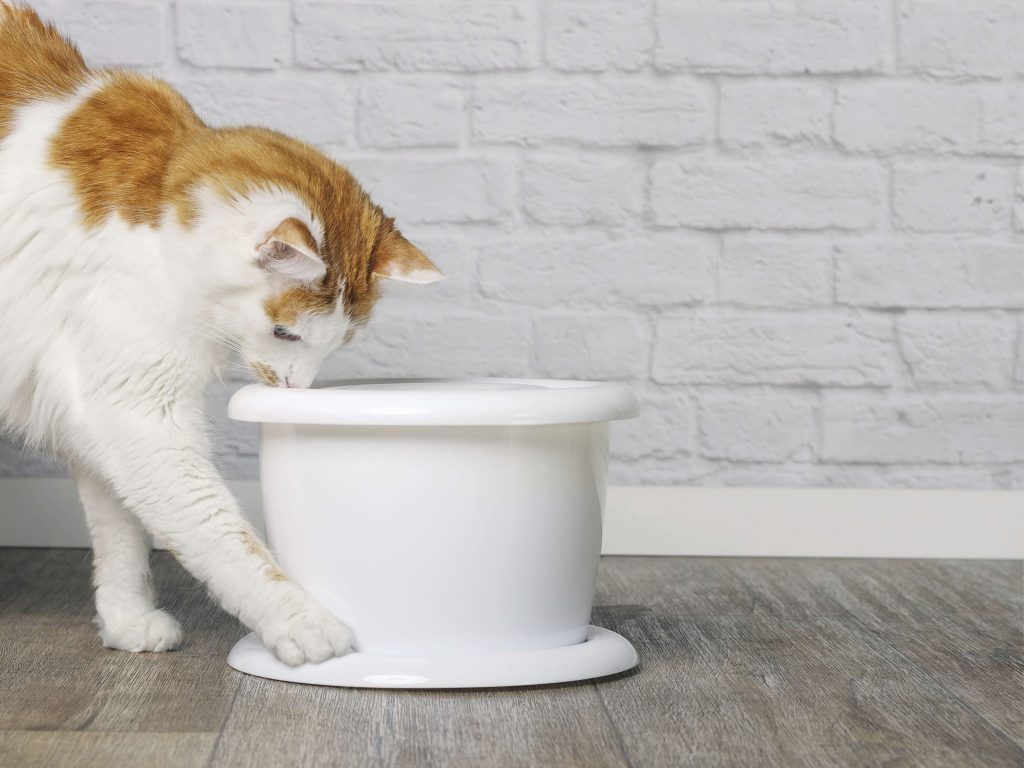
• Increased fluid intake via things like wet food, drinking fountains and broth
Medication and veterinary car
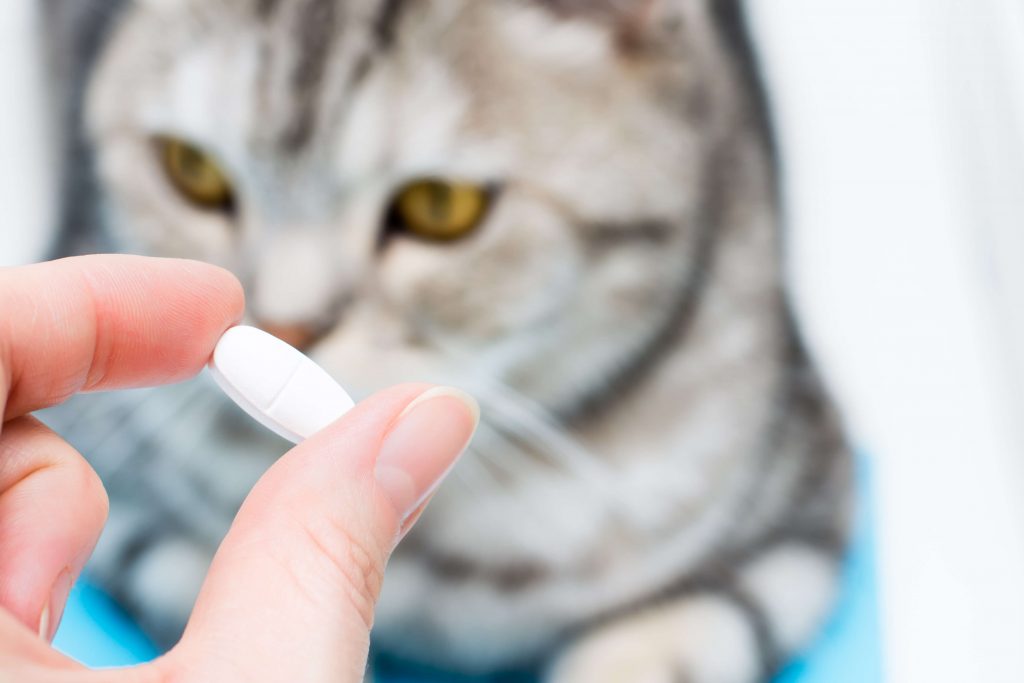
The medication your cat is going to need depends on the precise diagnosis. Antibiotics are used if a bacterial infection is present, while anti-inflammatory drugs such as NSAIDs are used to treat pain. In some cases, antispasmodic or sedative drugs can also help. Your vet will always choose the most appropriate treatment based on your cat’s individual lab results. Important: always administer medications exactly as prescribed, and do not stop treatment prematurely!
Home remedies – useful or dangerous?
Home remedies such as cranberry extract, homeopathy and herbal teas are widely used to treat bladder infections in humans, but they’re not always suitable for cats. In fact, many of the natural substances that are safe for us humans can be toxic to cats. Essential oils are also taboo; you should avoid using them unless a veterinary professional has specifically approved their use. Remember, if you try to treat your cat yourself, you’ll often delay proper medical care, which can lead to serious complications.
Nutrition
Nutrition plays a key role – especially when crystal formation or chronic inflammation is involved. Special dietary food can help lower your cat’s urine pH, dissolve existing crystals and prevent new crystals from forming. It’s also essential to increase your cat’s liquid intake, for example, by offering them wet food, using a drinking fountain or giving them broths. For cats with idiopathic cystitis, stress-reducing diets may provide additional support. Ideally, any dietary change should be made in consultation with your vet to ensure a smooth and safe transition.

Stress reduction
Stress is the main trigger for idiopathic cystitis (FIC), which is why stress reduction is a key part of therapy. Providing your cat with a calm and peaceful environment, safe spaces to hide and chill, predictable daily routines and a cat-friendly home can make a big difference. Among the other ways to reduce stress levels are Feliway diffusers, clicker training and fun cat activities. To avoid overwhelming and stressing out both pets and humans, you should try to avoid sudden changes, loud noises and having too many animals in a small space.
📖 Case study: Simba
Simba, a male cat, repeatedly suffered from bladder infections despite receiving excellent care
It was only when Simon diligently focused on reducing stress and switched to a wet-food diet that the episodes finally stopped.
Preventing bladder infections in cats
There are many ways to prevent bladder infections in cats: for example, you can make sure your cat drinks plenty of water, eats a healthy diet, gets enough exercise and has a clean litter box. In multi-cat households, be sure to provide your furry friends with several litter boxes; a good rule of thumb is at least two per cat. Keep their environment stress-free and watch closely for small changes in behaviour. Why? Because responding to symptoms early-on prevents acute problems from turning into chronic ones.
💡 How to prevent bladder infections:
• Provide your cat with several clean litter boxes (rule of thumb: 1 per cat + 1)
• Make sure your cat drinks plenty of water on a regular basis
•Feed your cat high-quality, appropriate food
• Encourage exercise and avoid obesity
• Provide a stress-free environment with safe places to hide and relax
• Watch closely for any behavioural changes and respond to them as early as possible
Key takeaways: Bladder infections in cats
Bladder infections in cats can be painful, but they’re treatable. The causes of bladder infections vary from bacterial infections and urinary crystals to bladder stones and stress. Each individual case requires a proper diagnosis. It’s especially important to recognise the first symptoms as early as possible and have your cat examined by a vet. With the right treatment, a low-stress daily routine and an appropriate diet, many symptoms can be alleviated – and relapses prevented. Keep an eye on your kitty – because cats often hide their discomfort, and only careful observation can reveal their silent suffering.

Important note:
This blog article is for informational purposes only and does not replace a visit to your vet. If your cat shows any symptoms, it’s important to consult a veterinarian. Only a professional can make an accurate diagnosis and get you and your cat started on the right treatment.
📚 References (sorted by mention in the article – as of July 2025)
1. Tierklinik Hofheim (2020):
Feline Idiopathische Cystitis (FIC). Merkblatt für Katzenhalter:innen.
Available online at:
[Accessed on July 28, 2025]
2. MSD Veterinary Manual (2025):
Lower Urinary Tract Disease in Cats – Überblick zu FLUTD & FIC.
Available online at:
[Accessed on July 28,2025]
3. MSD Veterinary Manual (2025):
Urolithiasis in Cats – Ursachen & Behandlung von Blasensteinen.
Available online at:
https://www.msdvetmanual.com/urinary-system/urolithiasis-in-small-animals/urolithiasis-in-cats
[Accessed on July 28,2025]
4. Tierarztpraxis am Schlagbaum (ca. 2017):
Blasenentzündungen bei der Katze – Ursachen, Symptome, Therapie.
Available online at:
https://tierarztpraxis-am-schlagbaum.de/pdf/blasenentzuendung_harnkristalle.pdf
[Accessed on July 28,2025]
5. DUOVet Tierklinik, CH (o. J.):
Feline Lower Urinary Tract Disease (FLUTD) – Ursachen, Diagnostik, Therapie.
Available online at:
https://www.duovet.ch/fileadmin/user_upload/PDF/Kleintiere/Feline_lower_urinary_tract_disease.pdf
[Accessed on July 28,2025]
6. Dorsch, Roswitha et al. (2019):
Urinary tract infection and subclinical bacteriuria in cats: A clinical update.
Journal of Feline Medicine and Surgery, Vol. 21.
Available online at:
https://www.ncbi.nlm.nih.gov/pmc/articles/PMC6826873
[Accessed on July 28,2025]
Frequently asked questions about bladder infections in cats
Typical signs include frequent urination in small amounts, urinating outside the litter box, visible blood in the urine and meowing when urinating. Increased licking in the genital area can also be a sign of inflammation.
Symptoms include urinating outside the litter box, frequent urination, pain when urinating and blood in the urine. Your cat might avoid their litter box or exhibit unusual behaviour after using it.
Frequent urination can be a sign of a bladder infection, of some kind of irritation from urinary crystals or a narrowing of the urinary tract. Pain can also cause cats to visit the litter box more frequently – often without being able to urinate.
The blood in your cat’s urine is caused by irritation or injury to the bladder wall, which can result from crystals, stones, infections or tumours. This is a serious warning sign and should always be checked by a veterinarian.
When cats experience pain while urinating, they may start avoiding their litter box. In this case, inappropriate urination is not a form of misbehaviour, but rather an indication that your cat might have a bladder infection or urinary tract infection.
Common triggers include stress, urinary crystals, other infections, insufficient fluid intake or obesity. Urinating too infrequently or having a dirty litter box can also contribute to the problem.
Diagnosis is usually made by means of a urine test, with an additional ultrasound or X-ray examination, if necessary. This helps identify infections, crystals, stones and tumours so that they can be treated in a targeted manner.
In mild cases, the irritation may improve on its own. However, a bladder infection should always be checked by a veterinarian, as it can quickly develop into a chronic condition if left untreated.
Acute cases usually improve within seven to ten days. Chronic or idiopathic cystitis, however, can take several weeks to treat and may require ongoing care.
Treatment usually involves medication and special diet food prescribed by a veterinarian, along with plenty of fluids and a stress-free environment. It’s important to identify the underlying cause and follow the treatment plan consistently to prevent the infection from coming back.
Make sure your cat always has clean litter trays, plenty of fresh water, special food and a calm, quiet environment. Keep a close eye on your cat’s behaviour and consult a vet immediately if you notice any signs of pain or discomfort.
Home remedies such as cranberry supplements or herbal teas can be risky for cats. In fact, many of these substances are toxic to felines. Never try any home remedies without first consulting your vet, as they may do more harm than good.
Special foods that help acidify the urine and prevent crystal formation are ideal. A high moisture content is also important. Wet cat food and a drinking fountain are a great way to encourage water intake.
Bladder infections become dangerous if your cat actually stops urinating – this is an emergency. Other serious warning signs are blood in the urine, severe pain or fever – these require immediate attention by a veterinarian.
No. Antibiotics are only needed for bacterial infections. In many cases, especially with idiopathic cystitis, treatment will involve other measures, such as stress reduction, diet and adequate fluid intake.