
Cats sense so much more than we know! Find out how they perceive humans, whether they can detect illnesses and why they’re drawn to certain individuals.
Have you ever wondered why your cat likes certain people and avoids others? Cats seem to have a sixth sense when it comes to recognising “good” people. But what exactly are they sensing? Is it the voice, the body language or perhaps even something invisible? Time and again, researchers and cat owners have reported amazing observations: cats seem to be able to pick up on moods, emotions and even illnesses. But can they really distinguish between “good” and “evil”? And if so, why does your cat constantly follow you around – or ignore you completely? Let’s dive into the fascinating world of feline perception and uncover what cats can truly sense about us:
Cats can sense “good” people – Is this true?

Has your cat ever purred and jumped onto the lap of a brand-new friend, even though you’ve noticed that same cat completely ignoring your close neighbour for years? Well, it’s no coincidence! Cats perceive people in their own unique way. They don’t just pick up on smells and voices, but also on non-verbal signals that are invisible to us humans. Many cat owners report that their feline friends warn them about certain individuals – or deliberately seek them out. Is this mere intuition or a kind of “energy perception”? Researchers suspect that cats can sense the slightest emotional vibrations. But what does this mean for us?
Can cats sense “good” people?
Many devoted cat owners are convinced that their beloved feline companions instinctively know whom they can trust. In fact, research shows that our four-legged friends don’t just respond to body language; they’re also able to recognise emotions in facial expressions and people’s tone of voice.
📌 Study fact:
The study “Emotion Recognition in Cats” by Quaranta et al. (2020) proved that cats recognise their owner’s mood through their voice and facial expressions and respond accordingly. Researchers concluded that cats can distinguish between human emotional signals and adjust their behaviour accordingly. In particular, they showed a stronger response to negative emotions.
Source: Quaranta, A., d’Ingeo, S., Amoruso, R., & Siniscalchi, M. (2020). Emotion Recognition in Cats. Animals, 10(7), 1107. MDPI. Available at: https://doi.org/10.3390/ani10071107 [Accessed 14 March 2025].
When do cats like humans?
Cats prefer calm and considerate people. They like individuals who respect their boundaries and have a relaxed aura and demeanour. A 2021 behavioural study conducted by the University of Vienna found that cats respond most positively to people who give them time and don’t actively try to force them to cuddle.
💡 Interesting to note:
Cats also prefer slow, gentle movements. Loud or chaotic people tend to make them uneasy. This could be because cats are highly attuned to non-verbal signals and body language, which means they can be unsettled by sudden, uncontrolled movements and loud voices.
Watanabe, R., Strich, C., & Turner, D. C. (2021). The impact of human interaction styles on domestic cat behaviour: A controlled study. Applied Animal Behaviour Science, 243, 105446. DOI: 10.1016/j.applanim.2021.105446 [Accessed 14 March 2025].
Signs that your cat likes you
Your cat is probably showing you more love than you realise – you just need to understand their language. Purring, gentle nudges and that famous feline “kneading” are all clear signs of affection. When your cat rubs their head against you, they’re marking you as “their” human. Slow blinking is another unmistakable sign of trust – think of it as a cat’s version of a kiss. Some cats will even present you with small “gifts”, whether it’s a favourite toy or, in a less delightful case, a freshly caught prey. Once you learn to recognise these gestures, you’ll know your cat has truly given you their heart!
• Slow blinking (a “cat kiss” and a sign of trust)
• Head butting (she marks you with her scent)
• A relaxed body posture when they’re near you
• An invitation to play or quiet cooing and meowing
• Sleeping on your lap or in your bed
These signals indicate that your cat feels completely comfortable in your presence.
How do cats choose their favourite humans?
It’s always fascinating to see how deeply cats can become attached to people. They consciously choose their favourite humans and make their affection very clear. Anyone who lovingly cares for their cat, provides them with a sense of security and pays attention to their needs has a good chance of earning the cat’s affection and becoming their favourite companion. Your voice also plays a role: for example, gentle, calm tones can have a soothing effect on cats. If you invest time in playing, feeding and cuddling with them, you’ll quickly rise in their “ranking”. Sometimes a tiny, unconscious gesture can make all the difference – our furry friends are observing us more closely than we think!
Studies show that cats choose their favourite human companions based on certain specific factors:
• Consistency: People who feed and play with them regularly are preferred.
• Tone of voice and scent: Cats recognise familiar voices and are drawn to certain smells.
• Calmness and patience: Cats avoid hectic people and instead seek out relaxed companions.
💡Interesting:
Observations show that cats are often more attracted to people who don’t actively try to get their attention!
Can cats sense “evil” people?

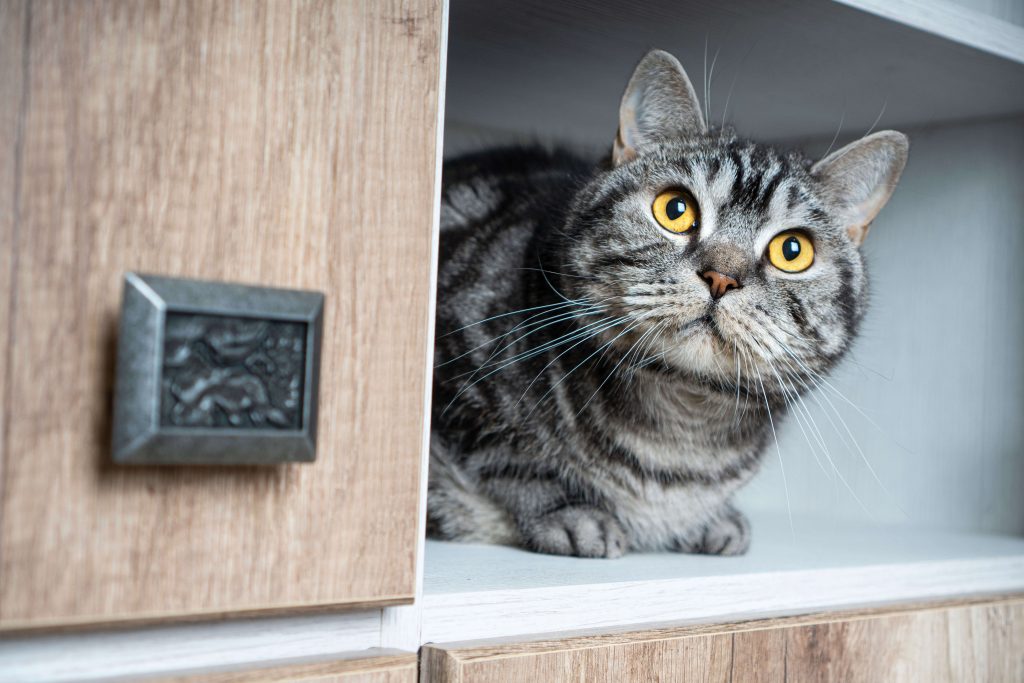
Have you ever wondered whether your cat can see right through people? Many cat lovers are convinced they can! But where does this idea come from? Cats often avoid people whom they find to be unpleasant. But why is that? Researchers have discovered that cats pick up on subtle, unconscious signals – things like changes in heart rate, tense body language and aggressive gestures. They can read emotions in faces and voices and distinguish whether someone is sincere or nervous. Some cats react with aloofness, while others may even respond with fear or aggression. It’s amazing how well they can read our emotions – a skill that many of us humans often lack!
Can cats sense “evil” people
Cats can’t distinguish between moral concepts like “good” and “evil”, but they are excellent observers and pick up on subtle signs of stress, aggression and insecurity. When a person is stressed or uneasy, they may breathe shallowly, move with jerking gestures or have a tense posture. These are all cues that cats can perceive as threatening. This is why they sometimes avoid people who seem nervous or aggressive, while gravitating towards calm, relaxed individuals.
📌 Study fact:
Several studies show that cats can perceive unconscious stress signals in humans. In particular, they’re able to detect changes in body odour caused by stress hormones such as cortisol. One study found that cats react differently to human emotional scents – notably through asymmetric nostril use, which suggest that they process negative emotions (such as fear) differently from neutral or positive odours
Source: Siniscalchi, M., d’Ingeo, S., Quaranta, A. (2022). Relationship between asymmetric nostril use and human emotional odours in cats. PLOS ONE. Available at: https://www.ncbi.nlm.nih.gov/pmc/articles/PMC9356347/6347/ [Accessed 14 March 2025].
Why doesn’t my cat like me?
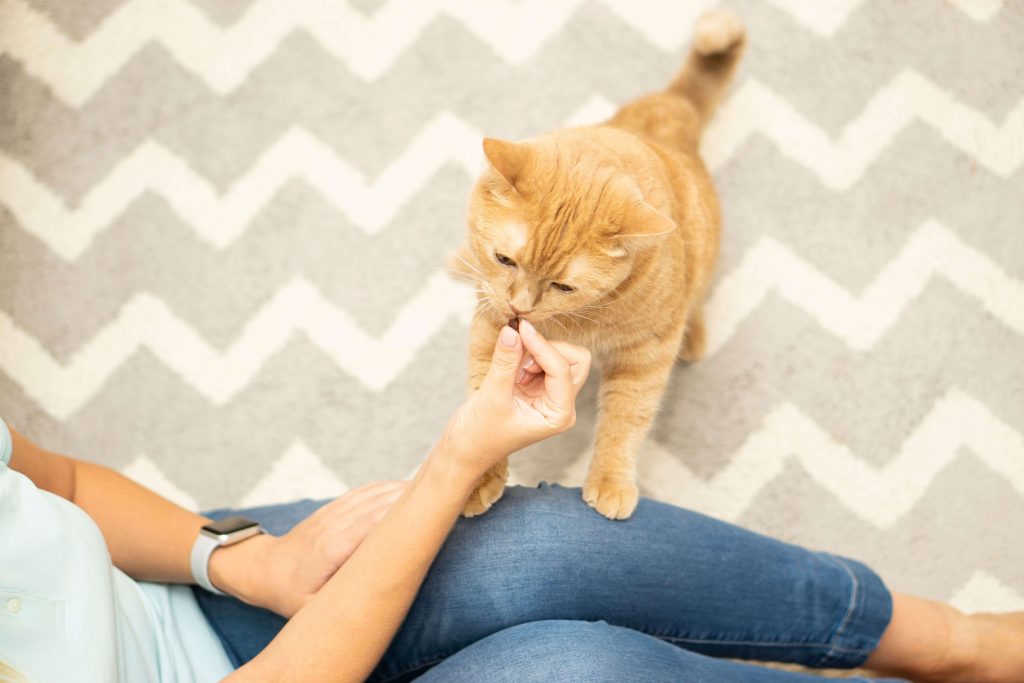
It’s perfectly normal that not every cat feels comfortable with you right away. If you feel your cat hasn’t warmed up to you yet, there are a few things to keep in mind: is it possible that you’ve been acting a little too boisterous lately? Or have you looked the cat directly in their eyes? For cats, this can sometimes feel threatening. Perhaps you were a bit too loud or moved around chaotically? Cats generally prefer quiet and cosy environments. Your scent also plays a role – strong perfumes and unfamiliar smells can irritate them. But don’t worry: with patience, respect and a few treats, you can win your cat’s heart!
Can cats sense illnesses in humans?
Sometimes it seems as if our beloved feline companions can sense when we’re not feeling well. They may suddenly become extra affectionate, lie down exactly where we’re feeling pain or watch us more intently than usual. Is this just a coincidence, or do they really have a genuine intuition? Researchers believe that our furry friends can detect subtle changes in body temperature, scent and behaviour. What’s particularly interesting is that some cats respond specifically to serious illnesses. They pick up on unconscious signals that we humans can’t detect – proving that our little furballs can be tiny “diagnostic assistants” after all.
Can cats sense when we’re ill?
If you’re feeling tired and lie down in bed, your cat may suddenly curl up next to you. This is no coincidence! Cats are very sensitive and notice even the slightest changes in our body temperature and behaviour. They notice immediately if we’re moving differently or when our scent has changed. It’s fascinating that some cats deliberately cuddle up to sick people, providing calm and comfort, while others simply watch their owners more closely than usual. Do cats really understand that we’re ill? It’s hard to say – but they definitely notice when something is off
Can cats tell if a person has cancer?
It may sound surprising, but there are actual reports of cats reacting to cancer. They began sniffing certain areas of the body more intensely or suddenly displayed completely different behaviour. Experts believe our feline friends can smell tiny chemical changes in the body – similar to what has been observed in dogs. We don’t have any conclusive studies yet, but the observations of many cat owners speak for themselves. One thing is certain: cats are extremely sensitive animals. Sometimes they notice things that even modern medicine only discovers later…
It hasn’t been proven yet whether cats can “sniff out” cancer or not. However, there are reports of cats exhibiting altered behaviour towards people with certain illnesses. Similar studies with dogs have shown that dogs can detect cancer cells by smell – and researchers suspect that cats may be capable of the same.
Can cats cure illnesses?
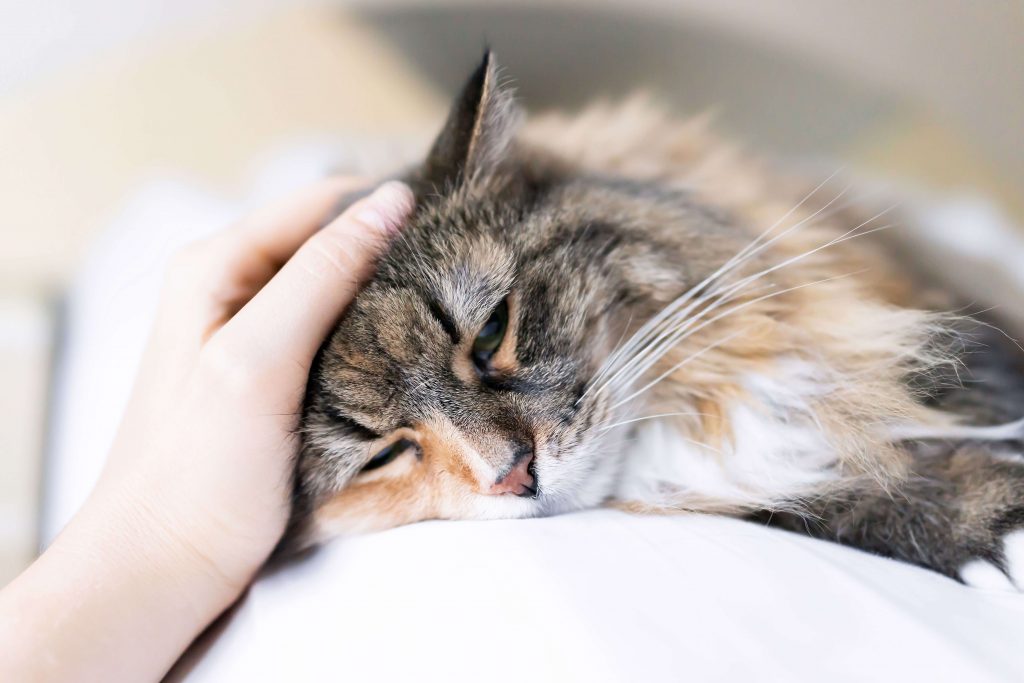
Cats aren’t doctors – but they can have amazing effects on our health. Their purring vibrates at a frequency proven to promote healing and relaxation. Their calm behaviour can reduce stress, lower blood pressure and even boost the immune system. People who have regular contact with cats report better sleep and less anxiety. Of course, these benefits aren’t a substitute for a visit to the doctor – but it’s true that your purring cat might just be the best way to soothe stress and inner anxiety.
📌Study fact:
A study published in the Journal of Vascular and Interventional Neurology investigated the link between cat ownership and the risk of fatal cardiovascular disease. Researchers analysed data from 4,435 participants over a 20-year period and found that individuals who’d owned a cat had a significantly lower risk of dying from a myocardial infarction (heart attack) compared to those who’d never owned a cat.
Source: Qureshi, A. I., Memon, M. Z., Vazquez, G., & Suri, M. F. K. (2009). Cat ownership and the risk of fatal cardiovascular diseases. Results from the Second National Health and Nutrition Examination Study Mortality Follow-up Study. Journal of Vascular and Interventional Neurology, 2(1), 132–135. Available at: https://ojs.jvin.org/index.php/jvin/article/view/292 [Accessed 17 March 2025].
Can cats sense depression in humans?

When someone is suffering from depression, it can be difficult for the people around them to recognise it. But our feline friends often seem to sense it: they notice the slightest changes in our facial expressions, voice and daily routine. Many people who suffer from depression report that their cat becomes especially affectionate during difficult times. But why is that? Cats react instinctively to shifts in our mood and energy. They may even try to offer us comfort by staying close and purring gently. Their loving presence fosters a sense of security and support. They may not be professional therapists, but in many moments, they are exactly the gentle support a heavy heart needs.
Are cats able to sense human emotions?
Anna never believed that cats could sense human emotions – that is, until one special winter day. Lulu, her cat, had been sleeping in her usual spot on the windowsill, but that evening, Lulu approached Anna, leapt onto her lap and snuggled close. Anna let out a soft sigh, and almost instantly Lulu began to purr. It was as if the cat was saying, “I’m here, you’re not alone”. Had Lulu somehow been able to sense Anna’s emotional state?
📌 Study fact:
A study by Galvan & Vonk (2020) showed that cats are able to combine visual and auditory cues to recognise human emotions. They can tell whether a person is happy or angry based on facial expressions and tone of voice.
Source: Galvan, M., & Vonk, J. (2020). Man’s other best friend: domestic cats (F. silvestris catus) and their discrimination of human emotion cues. Animal Cognition, 23(5), 947–958. DOI: 10.1007/s10071-020-01372-2 [Accessed on 17 March 2025].
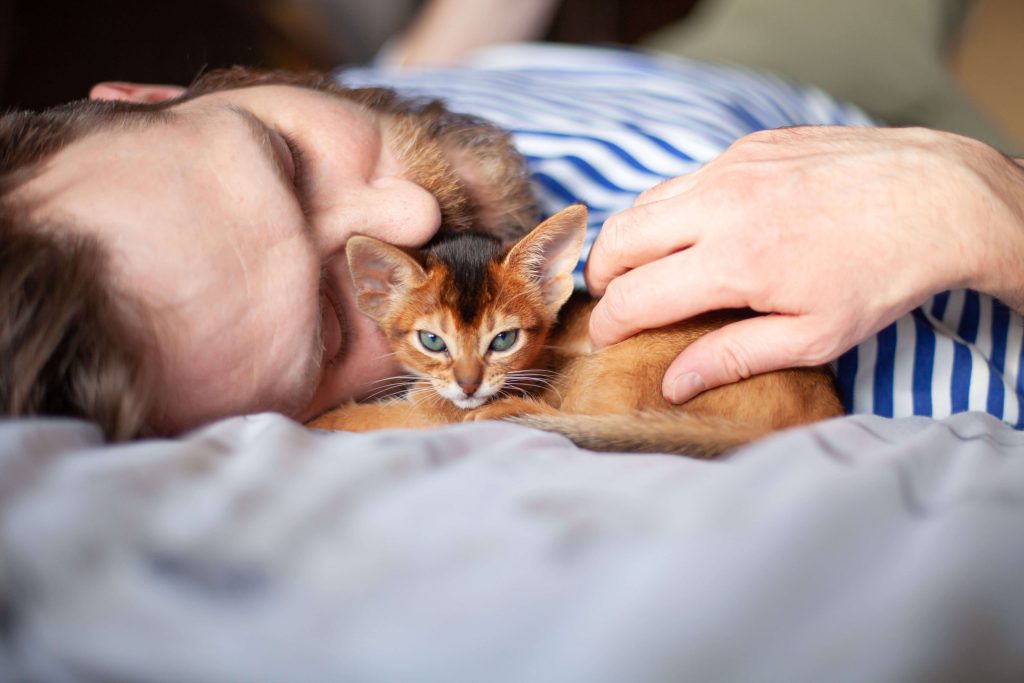
💬 How about you?
Have you ever noticed your cat showing affection or comforting you at just the right moment?
Share your story in the comments!
Can cats sense when you’re sad?
When you cry, does your cat come and sit next to you or start purring softly? This isn’t a coincidence! Researchers have found that during difficult times, people naturally seek comfort from their pets – especially cats. And cats often respond in kind, becoming more affectionate by snuggling up, purring or simply staying close to their owners.
📌Study fact:
Cats are sensitive to human emotions and can detect changes in their owner’s behaviour. A long-term study of pet owners found that during periods of depression, cats were more likely to seek out physical contact, watch their owners closely and generally become more affectionate.
Source: Mariti, C., Ricci, E., Carlone, B., Moore, J. L., Sighieri, C., & Gazzano, A. (2017). Relationship between pet attachment and owner mental health: The role of cat and dog ownership. Frontiers in Psychology, 8, 1410. DOI: 10.3389/fpsyg.2017.01410 [Accessed on 14 March 2025].
Can cats cure depression?
Cats can’t “cure” depression, but they have a remarkable way of brightening everyday life in a very positive way. Their steady routines provide structure, and their loving presence brings a sense of closeness. The sound of a cat’s purr can even reduce stress hormones. Many people with anxiety disorders or depression say their cat has helped them through difficult times. Of course, they’re no substitute for therapy, but sometimes a loving gaze from those big beautiful feline eyes can mean more than a thousand words!
Cats aren’t meant to replace medical treatment or medication, but they can help relieve discomfort in wonderful ways. Studies on animal-assisted therapy have shown that contact with furry friends can increase levels of the bonding hormone oxytocin. This hormone is responsible for our social bonds and overall well-being and has been shown to reduce stress. In the long term, this can help stabilise our mental balance and improve our general well-being.
📌 Study fact:
Research shows that cats aren’t just empathetic companions – they may actually have the ability to sense and respond to human emotions. Studies have found that cats can reduce stress, provide emotional support and even detect physical changes or illnesses at an early stage.
Source: Beetz, A., Uvnäs-Moberg, K., Julius, H., & Kotrschal, K. (2012). Psychological and psychophysiological effects of human-animal interactions: The possible role of oxytocin. Frontiers in Psychology, 3, 234. DOI: 10.3389/fpsyg.2012.00234 [Accessed on 14 March 2025].
Can cats sense when someone is pregnant?
For many expectant mothers, it’s their cat’s behaviour that gives them the first hint of their own pregnancy. Their feline friends suddenly become more affectionate, purr more and stay unusually close. It’s entirely justified to ask the question of whether a cat can sense pregnancy. Experts believe that some cats can detect hormonal changes very early – not only in themselves, but also in their owners. Our own behaviour often shifts too; for example, we might do less exercise and have new sleep patterns. Our furry friends register these changes and adapt their behaviour accordingly. Some cats suddenly become extra protective, while others become more cautious.
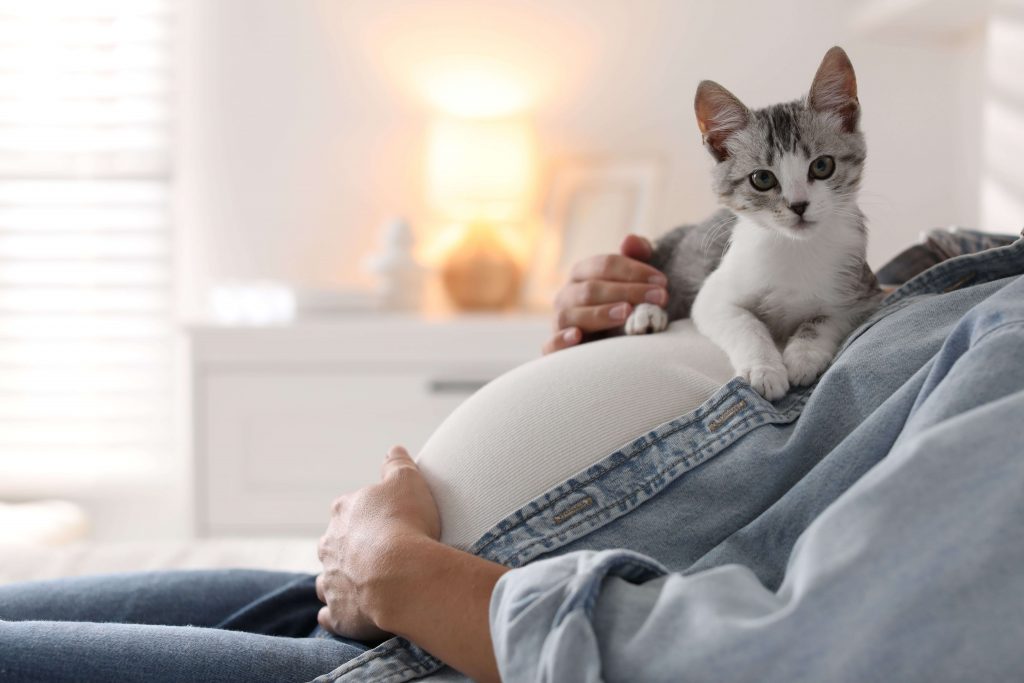
💬 While we’re still trying to make sense of our feelings, our cat has long since figured it out – and simply stays by our side.
Have you experienced this with your cat too?
Share your story with us in the comments!
Frequently asked questions about cats sensing “good” people
Cats are remarkable creatures who respond to body language and energy. When they feel uncertain or tense, they sometimes avoid us. Some cats avoid people they find unpleasant. It’s unclear whether they can truly recognise “evil” people, but they do pick up on negative vibes. They read micro-gestures and sense unease long before we humans are even aware of it.
Cats tend to like calm, gentle people. They respond to friendly energy, loving gestures and patient behaviour. If you respect their body language, they’re more likely to favour you. Cats cannot sense a person’s morality, but they’re highly skilled at accurately reading facial expressions, tone of voice and movement. They instinctively decide whom to trust – and that decision is often based on non-verbal signals.
Our cats are true sensors, perceiving vocal tones, facial expressions, scents and heartbeat. They can recognise sadness, nervousness and joy through body language. Some cats mirror our mood or offer closeness when we need comfort. They are keen observers and notice even the smallest emotional changes.
If your cat comes close to you, cuddles with you and gently slow-blinks at you, these are signs of affection. If they follow you, lean against you or sleep near you, they’re clearly showing you that they trust you. Every cat has its own way of showing affection – if you observe them closely, you can quickly tell whether they like you or prefer to keep some distance.
Is it possible you’re pestering your cat or moving around in a hectic manner? Cats tend to prefer calm, relaxed people. Also, sometimes it just takes time for trust to develop. Pay attention to your cat’s body language, be patient and reward them when they approach you voluntarily. This way, your relationship can grow, and you can look forward to eventually having a true friend by your side.
Cats are very sensitive animals who feel comfortable in environments where they’re used to particular voices, scents and behaviours. Perhaps the other people are more relaxed around your cat or move in ways that appear more natural? Cats like people who don’t pressure or overwhelm them. If you feel your cat is avoiding you, give them time, stay patient and build a bond through positive experiences. You can’t force them to feel close to you – just let it develop naturally.
Cats are creatures of habit and often find it difficult to adjust to change. Unfamiliar smells, loud voices and hectic movements can stress them out. Some cats hide, others watch sceptically from a distance. You can help your cat by creating safe places for them to retreat to and by asking guests to leave them alone. Patience is key here – many cats gradually become more comfortable with visitors over time.
Cats are wonderful creatures that form strong bonds with “their” humans. If you treat them with love and devotion, feed them regularly and always come home on time, you’ll probably notice how much they value you. Cats like their routines and want you to be there for them. If you manage to make them feel safe with you, you’ll probably be their favourite person for life!
Our feline friends are highly attuned and sensitive to hormonal changes in their environment. They may not immediately realise that someone is pregnant, but they often notice that something has changed. Some cats become more affectionate, while others grow more cautious. In other words, they may not fully understand what’s going on, but they can sense that something is different.
Cats are amazing creatures who perceive changes in their environment in their own unique ways. They can detect the temperature, scent and behaviour of “their” humans and other animals around them. There are even reports of cats detecting illnesses early on. While this hasn’t been scientifically proven, their keen senses make them highly sensitive to changes in the health status of the people around them.
Cats are very sensitive and notice emotional changes in their environment. They tend to respond to changes in routines, facial expressions and voices. Some cats become more affectionate and provide comfort by purring more or staying quietly by your side. They don’t necessarily understand depression, but they can sense when you need comfort. Their loving presence can have a wonderfully calming effect – and their regular daily routine can give you structure and stability.
Cats are not doctors, but their mere presence can be helpful and certainly comforting. Their soothing purring has been shown to help us relax, lower our blood pressure and support the healing process. Their presence can also reduce stress hormones and give us a sense of emotional stability. Of course, cats are no substitute for medical treatment, but for many of us, they’re an incredibly valuable source of emotional support.
Cats can sense how you’re feeling. They can tell whether you’re sad, anxious or relaxed – often even before you notice it yourself. They pick up on body language, tone of voice and even hormonal changes. Cats respond by seeking closeness or keeping their distance, depending on their character. They “read” us better than we might think.
Cats are wonderful creatures who help us calm down in completely natural ways. Their soothing purrs can help us cope with everyday stress, and their playful behaviour often makes us smile. They provide structure to our days because they need regular feeding and attention. Studies show that people who have cats are often less stressed. A feline companion asks for nothing – they’re simply there, and sometimes the best thing in life is the sound of a gentle purr.
